In the modern competitive academic environment, writing a research paper is not the whole battle. The hard part is to ensure that your work reaches the right audience and gets the attention it deserves. It is there that proper journal indexing comes in. Indexing determines the ease with which other researchers, institutions and readers can locate your published work. An indexed article not only contributes to your academic authority, but it also makes you more visible, cited more, and generally more influential in your research.
We also assist the authors at Fast Publications to expand their academic presence by offering Professional Journal Indexing Support Services to enable their research to be available in international databases.
What Indexing Means in Academic Publishing?
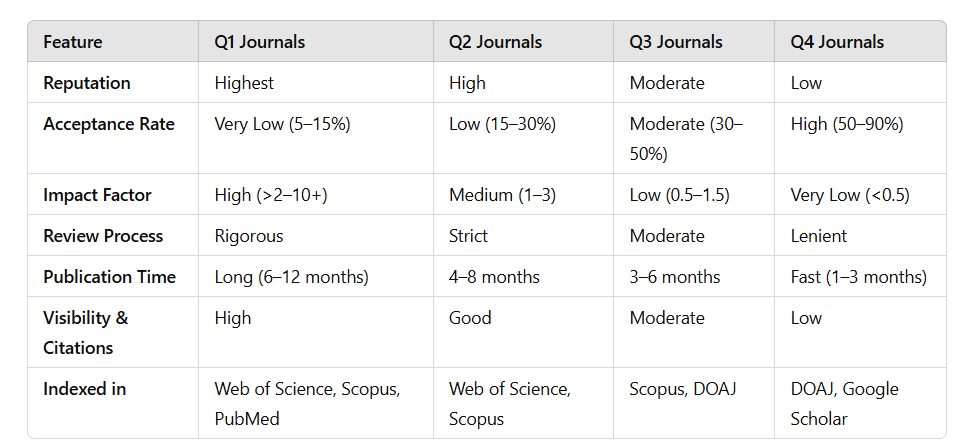
Indexing refers to the procedure of indexing the journals and research papers in well-established databases like Scopus, Web of Science, PubMed and Google Scholar. These databases are the primary entry points of researchers who seek pertinent studies in their area.
When you publish article in a reputable indexing resource, it will get integration into the world of research and increase the likelihood of citation, reference, and dissemination by colleagues. Basically, indexing transforms your work into a publication into a highly visible contribution to your field.
The importance of Indexing to Research Visibility

Indexing will ensure that your research is visible in the sea of thousands of publications each day. It increases visibility in a number of ways:
Global Discoverability
Academic databases are searchable, researchers utilise indexed papers across the globe. This will allow your work to be visible in searches of related subjects, which will bring you into contact with interested audiences.
Higher Citation Potential
The easier your paper is to access, the more likely researchers will cite it. Research with proper indexing gets more citation and this builds your academic profile and impact factor.
Institutional Recognition
Researchers often go through evaluation by universities and funding agencies on the basis of the visibility of their publications. Indexed work proves your integrity and adherence to the quality of publishing.
Long-Term Accessibility
Indexed journals store your research in archives and make it accessible even years after publication, which is a legacy of your academic work.
Frequent Indexing Problems that Researchers Encounter
Most writers do not pay attention to indexing until post-publication. Visibility is due to a number of typical issues:
- Publication in non-indexed or low-quality journals.
- Wrong or missing metadata (author names, keywords, affiliations)
- Poor citation formatting
- Poor knowledge regarding indexing databases.
- Selecting journals which purport to be indexed.
Such errors can render your paper difficult to locate- or see- by the world research communities. This is why professional advice could be a significant difference.
The support services of Journal Indexing
Our Journal Indexing Support Services at Fast Publications assist the researchers in the complex indexing process with ease. This is our process of assisting authors:
Journal Evaluation and Selection
We assist you in locating reputable journals indexing globally recognised databases that are pertinent to your area of study. This guarantees maximum visibility at the beginning.
Metadata Optimization
Metadata (e.g. your title, abstract, and keywords) determines how databases classify and present your paper. Our experts enhance searchability and discoverability.
Accuracy of Citation and References
We ensure that all references are according to the correct guidelines, which increases the compliance and probability of your manuscript acceptance in indexed journals.
Regular Index Monitoring
Journals are occasionally removed or changed in the inclusion policy of databases. The indexing of your selected journals is monitored by us to ensure that your publications are not inactive.
Selecting the Appropriate Indexing Platform
The value of indexing platforms is not equal. The following is a brief overview of the key indexing databases and their implications for your research:
Scopus: It is one of the biggest databases of a wide range of disciplines. Scopus indexing enhances international recognition and credibility of citations.
Web of Science: A quality over quantity database, which is highly regarded as an institutional assessment tool.
PubMed: Specialises in research in the biomedical and life sciences.
Google Scholar: It is free and helpful in following references in most areas.
The correct database varies with your discipline, type of research and your career objectives. Fast Publications assists in finding the best and most useful indexing sites that can match your work.
Best Practices: Enhancing Research Visibility by Indexing

In order to make your research take off once published, use these best practices:
- Select reputable journals that are indexed.
- Maximise your title and abstract using specific academic keywords.
- Standardise author names and institutional affiliations.
- Be consistent with references and citations.
- Market your indexed articles on scholarly websites like ResearchGate, ORCID, and Google Scholar.
- Maintain a regular update of your author profile to be visible in databases.
These and other practices, together with professional assistance, can significantly enhance the online presence and influence of your research.
Why Partner with Fast Publications?
Fast Publications not only provides editing and submission services, we also provides Journal Indexing Support Services that increase the visibility, accessibility, and impact of your research.
Indexing Experts: Our staff is informed about the Scopus, Web of Science, and PubMed requirements.
Honest and Open Process: We do not suggest any predatory journals, but only authentic and verified journals.
Personalised Indexing Plans: Customised plans to suit your field, target audience, and the goals of your publication.
Constant Surveillance: We monitor the performance of your published work to make sure it is visible in the long run.
FAQs
1. Can indexing really improve citation count?
Yes. Indexed research is more visible to scholars, increasing the chances of being read and cited in future studies.
2. Are all indexing platforms equally important?
No. Reputable platforms like Scopus and Web of Science hold more academic weight than smaller, regional databases.
3. Can Fast Publications help with Scopus or Web of Science indexing?
Absolutely. We specialise in optimising papers for inclusion in high-impact, global indexing databases.
4. What happens if my journal loses its indexing?
We help monitor indexing status and suggest resubmission strategies to maintain visibility.
5. How long does indexing take after publication?
It depends on the database, but typically ranges from a few weeks to a few months.
Conclusion
Publishing research is an accomplishment but getting it indexed is what turns that achievement into lasting academic influence. Proper indexing ensures your work is discoverable, citable, and respected across the global research community. At Fast Publications, we help you move beyond publication to true visibility. Our Journal Indexing Support Services empower your research to reach a global audience, strengthen your academic reputation, and maximise the impact of your hard work.
Your research deserves to be seen, and we make sure it is.