Law research is the driver of policy change in the modern world, which is technology-driven and globally connected. Through the design of privacy regulations and climate regulations, published research has a direct impact on societal governance as well as reform. But it is not enough that impact is obtained by profound insight, unless it is seen and distinctly expressed. Fast Publications strengthens the PDs by highly facilitating manuscript targeting and maintaining academic rigour and policy relevance to hard-won precision in editing, journal targeting, and expertise submissions. What can you do to make your legal manuscript a momentum of actual change?
What is So Powerful about Research on Law?
The most influential law articles are those that combine excellent academic theory and real-world insight. They target academics, policymakers, legal practitioners and international organisations with ways of influencing and reforming debate.
The major characteristics of High-Impact Law Research are:
- Solving global-level problems of the first degree, including AI ethical issues, electronic monitoring, and environmental lawsuits.
- Providing a comparison of jurisdictions by presenting the operation of legal principles in various systems.
- An authoritative but conversational tone with clear, convincing language which is also scholarly.
The leading journals with regular issues of such work are The Modern Law Review (Wiley), Law and Critique (Springer Nature), Computer Law and Security Review (Elsevier), and Law, Innovation and Technology (Taylor and Francis).
Top Ten Traps That Kill Legal Manuscripts
The powerful submissions still may be rejected due to the missed details. There are more invisible errors that do not stem from mere formatting errors but prevent publication.
These issues include:
- Analysis that was too descriptive and without originality or analysis
- Not paying attention to the world context and not practising comparative perspectives
- Citing errors, bad compliance with referencing formatting, such as OSCOLA, APA, or Bluebook
- Terrible abstracts, which fail at once to define the gap in research and its importance
How to Find the Right Journal to do your Law Research?
The art of journal targeting is a necessity to help your work be noticed and referred to. An excellent article regarding international environmental law will be lost in a journal that specialises in domestic criminal procedure.
In your choice, it should be based on:
- Scope: Do entry of journal doctrinal, comparative, socio-legal or interdisciplinary?
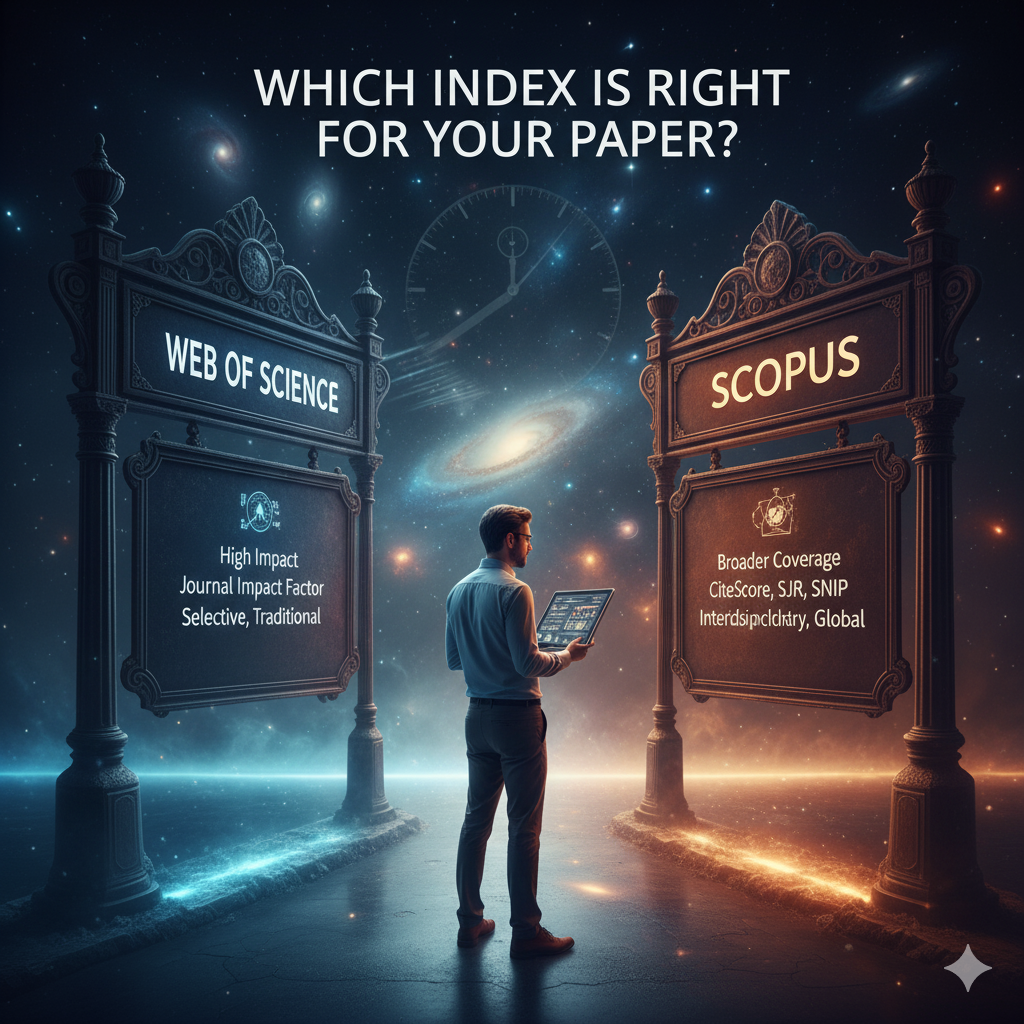
- Impact and indexing: Does it have an impact factor, and is it listed in Scopus or Web of Science?
- Practicalities: Timeline of publication and open-accessibility that will maximise policy reach.
International Environmental Agreements: Politics, Law and Economics (Springer Nature), The Journal of Legal Pluralism and Unofficial Law (Taylor and Francis), Legal Studies (Wiley) and Computer Law and Security Review (Elsevier) are trusted journals in the same specialisms.

Writing to Dual Impact Academia Meets Policy
You need to have one foot in the language of scholarly discourse and another in the language of policy practice to influence both scholarly discourse and policymaking practice in the real world.
Some ways to maximise this two-fold effect are:
- Framing with purpose: Start with a clear research question that is linked to an existing social, legal, or technological issue.
- Evidence: Rely on empirical evidence, case studies, or comparative law models to support arguments.
- Maximising accessibility: Use straightforward language and clarify the needed legal terms to make sense to policymakers and practitioners.
Journals offering rewards to this mixture are: Policy and Society (Taylor and Francis), The International and Comparative Law Quarterly (Cambridge), and Law and Human Behaviour (Springer Nature).
The Technical Side: Formatting and Exactness of the Language
In competitive publishing, mistakes in formatting and obscure prose will destroy a good manuscript. Papers often get rejected by Elsevier, Springer Nature and others because of technical flaws.
Close causes of technical rejection:
- Ineffective referencing or absent pinpoint references
- Such complex sentence constructions that smuggle the driving point
- Not adhering to a particular house style guide of the journal
Accessible language is an indication of professionalism and due respect to the publication procedure. Fast Publications provides expert editing services, cleaning up grammar, making text easier to read and adhering to the highest demands of international formatting standards and thus achieving the requirements of journals such as Legal Studies (Wiley) and Law, Innovation and Technology (Taylor and Francis).
Why Submit Law Research to Fast Publications?
It is complex to publish in leading law journals by Wiley, Elsevier, Springer Nature, and Taylor and Francis. Fast Publications offers end-to-end support to legal academics:
- Plagiarism checking and formatting checks to provide ethical and technical feasibility
- Tactical journal targeting to locate the best venue
- Viewer reaction helps to write professional responses
- Expert legal editing that maintains the exact legal meaning and makes the language clean
The Future of Law Publishing: Interdisciplinary and Digital
The following trend in persuasive law studies is the interdisciplinary one, which ties legal scholarship to the study of technology, environmentalism and morality. Journals like the Law, Innovation and Technology and the Computer Law and Security Review are setting the trend. Researchers integrating AI, blockchain, or policy climate frameworks have a higher profile and are more effective. Fast Publications assists authors in adapting to these editorial changes to keep their research topical and competitive in a rapidly globalising ecosystem.
Conclusion
Your pretentiousness and fame in the area of law will be determined by the path between draft and published article. It gives the hypothetical discussion a trigger for actual legal change. It is possible to make your law research visible and powerful as it should be with careful planning, a strategic attitude, and Fast Publications as your professional collaborator.