We know at Fast Publications that the gap between a great idea and a funded research project is a well done proposal. We are the experts in offering end-to-end services to scholars, providing all the way to scientific and technical editing. Our dream is straight forward: to make you move through the mazes of academic publishing fast, accurately and in an upright manner.
You are a master student and this is the first time you are venturing into formal research work or a PhD student with the desire to get a prestigious grant, our team will make sure that your voice is heard and your data is perfect.
Writing a Research Proposal MSc/PhD
The first piece of paper in the transition of a student to a researcher is the research proposal. This roadmap will lay out your investigation, explain why it is significant, and show that you do have a real plan to implement it. An effective proposal is not just a description of a project but it is also a sales pitch of the viability and influence of your brains.
The Title: Be Specific and Concise
The title is the first thing a reviewer looks at. Use phrasings that are not generally vague as “A Study of… ” or “Research into…” Rather, come up with a title that captures your variables, the population and the context. A good title is a summary of an abstract.
The Abstract
Overall, explain the issue, what you want to accomplish in about 250 words and your general approach. Imagine this is your elevator pitch. When a reviewer is just going to read this page, they must know precisely what you intend to do.
Introduction and Problems Statement
Begin general and then become specific. You have to find a particular gap in the literature available. Why should this research occur at this time? Unless you can define the problem, then you cannot solve it. This is where you can state what you want to achieve in your research.
The Literature Review
This part is a testament that you are conversant in your area. Do not simply catalogue the past research but synthesize. Demonstrate the extent to which previous studies lead to your study. Here Scientific and Technical Editing comes into play. Using straightforward and exact words will assist you in maneuvering through complicated theories and not have the reader get lost in the terminologies of academics.
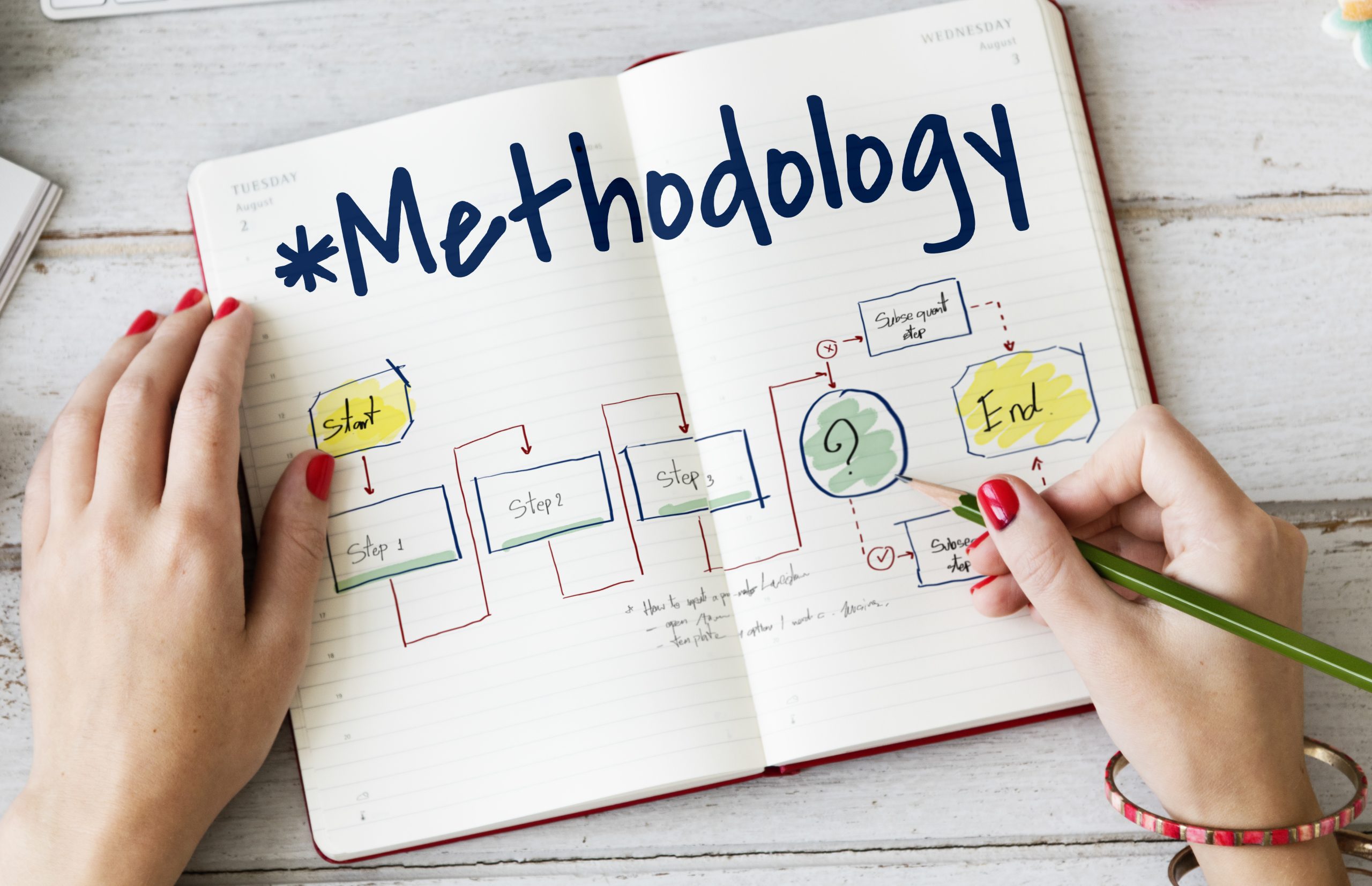
Research Methodology

This is the how of your proposal. You need to prove how you have selected methods.
- Qualitative or Quantitative: Which is best for your question?
- Data Collection: Will you employ interviews, surveys or lab experiments?
- Analysis: What will you think of the results?
One of the pitfalls is to be too vague. State your sample and the instruments that you will employ. Accuracy is what earns you credibility with your committee.
Significance and Impact
What will this get the world (or your field)? Talk about the theory and the practice. Even in case of the negative results, tell how they will narrow down the new questions in the future.
Timeline and Budget
There are deadlines in PhD and MSc courses. Include a realistic timeline chart on completion of every stage- ethics approval to final submission. In case you need to be funded, divide the expenses between equipment, travel, or software.
References
Make sure that your bibliography is careful. Use the necessary style guide (APA, MLA, Chicago, or Harvard) to the letter.
Why Quality Editing Matters
The most original research can be discredited in case of unclear writing. Clarity is a primary concern of many high-impact journals and university limiters.
Scientific and Technical Editing is very important at this point. Professional editors look at logical flow, consistency in terminology and conformity to complicated rules of formatting. At Fast Publications, it is not just about grammar correction, but also we are making sure your technical arguments are strong and your tone in a scientific manner is a professional one.
Read your proposal aloud. In case you trip with a sentence, your reviewer will as well.
Key Takeaways for Success
Write in the First Person: Do not write the data will be analyzed, write I will analyze the data. It demonstrates possession and confidence.
- Be Realistic: Do not say that you are going to solve the problems of the world in three years of PhD. Focus on a manageable niche.
- Get Feedback: You should never submit your rough draft. Get your work checked by peers or professional consultants.
Publications with Elevated Research standards
Composing a proposal is not an easy job, and you do not need to do it by yourself. As a Specialist in the field of coaching and Scientific and Technical Editing, we provide coaching services and guarantee the proposal provided by you to be the best in the world. We help you eliminate the grey areas and bring outthe brilliance of your work.