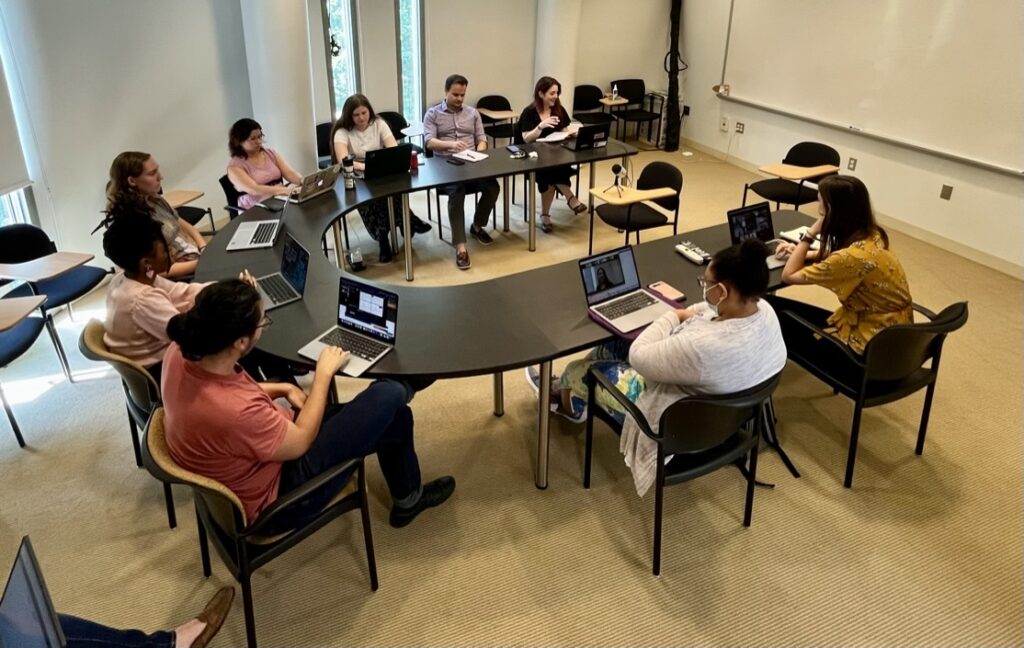
Promotion committees at Saudi universities work on fixed review cycles. Missing one by a few weeks can push a promotion decision back an entire year. Understanding the realistic timeline from journal selection to final publication is the difference between planning confidently and scrambling near a deadline.
Stage One: Journal Selection and Verification
اختيار المجلة العلمية المناسبة والتحقق من تصنيفها يستغرق عادة يومين إلى ثلاثة أيام من البحث المنظم، إذا اتبعت خطوات واضحة بدلا من البحث العشوائي.
This includes confirming current Scopus indexing status and checking quartile fit against your university’s policy. It also means reviewing recent published papers for realistic review timelines. Rushing this stage often costs far more time later.
Stage Two: Manuscript Preparation and Formatting
Formatting your manuscript to your target journal’s exact requirements typically takes one to two weeks. The exact time depends on how far your draft already is from the required style.
هذه المرحلة تشمل تنسيق الاستشهادات، وهيكلة البحث حسب متطلبات المجلة، ومراجعة لغوية نهائية قبل التقديم. تجاهل هذه الخطوة يزيد احتمال الرفض الإداري المبكر.
Stage Three: Initial Editorial Screening
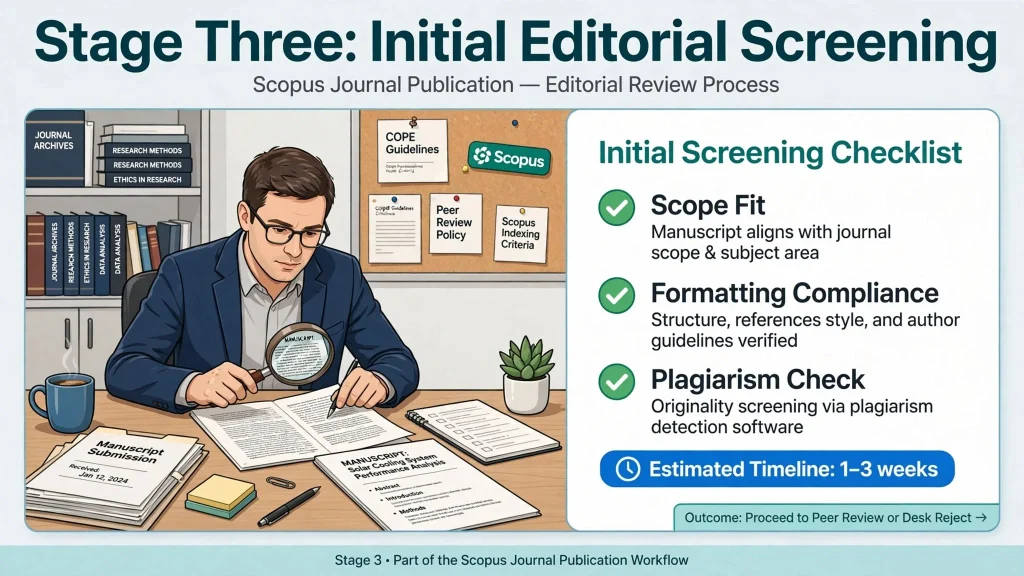
After submission, most journals conduct an initial screening before sending the paper to peer reviewers. This typically takes one to three weeks and checks for scope fit and basic formatting compliance.
يمكن أن يُرفض البحث في هذه المرحلة دون وصوله للتحكيم العلمي الكامل، إذا كان هناك عدم تطابق واضح مع نطاق المجلة أو مشاكل تنسيق جوهرية.
Stage Four: Peer Review
This is typically the longest stage. For a well matched Q1 or Q2 journal, expect two to four months for a first decision. Some journals take longer, depending on reviewer availability and submission volume.
تختلف مدة التحكيم العلمي بشكل كبير بين المجلات. راجع دائما الأوراق المنشورة حديثا في مجلتك المستهدفة لمعرفة المدة الفعلية بدلا من الاعتماد على متوسط عام.
Stage Five: Revisions
Most accepted papers go through at least one round of revision before final acceptance. Minor revisions typically take two to four weeks to address. Major revisions can take six to eight weeks, especially if additional analysis is required.
قد تحتاج بعض الأبحاث إلى جولتين من التعديل قبل القبول النهائي. خطط لهذا الاحتمال مسبقا، خصوصا إذا كان موعدك النهائي قريبا نسبيا من تاريخ التقديم الأولي.
Stage Six: Final Acceptance to Publication
Once accepted, most journals take four to eight weeks to publish the final version. During this time, Scopus indexing is also updated to reflect the new article. Some journals offer an early online or in-press version sooner, which may satisfy some promotion policies before final formal publication.
تحقق من سياسة جامعتك بخصوص قبول النسخة الإلكترونية المبكرة، فبعض السياسات تقبلها كإثبات نشر كافٍ، بينما تشترط أخرى النشر الرسمي الكامل فقط.
A Realistic Total Timeline
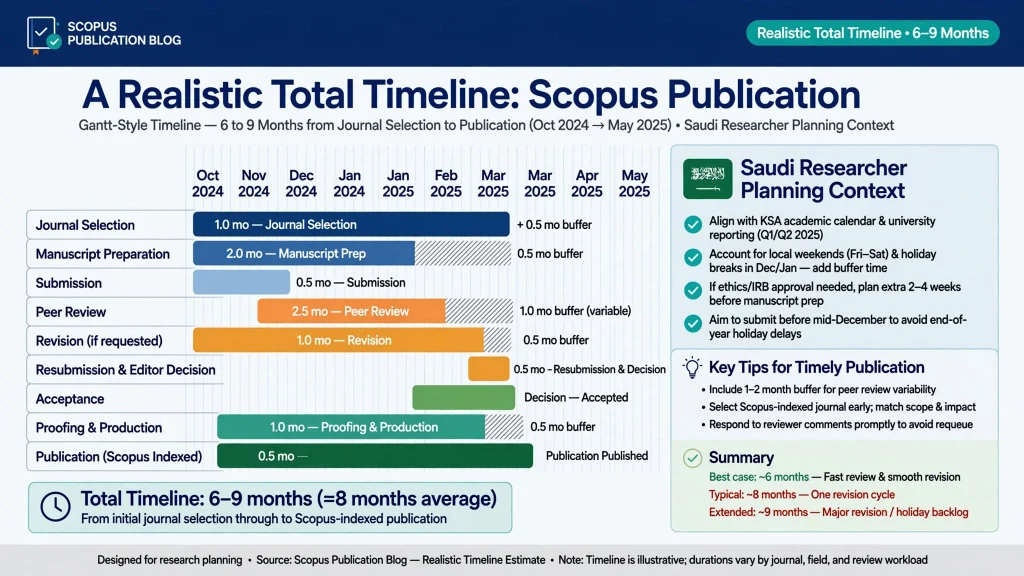
Add these stages together and a pattern emerges. A realistic total timeline from journal selection to final publication runs six to nine months for a well matched Q1 or Q2 journal. This assumes no major delays or additional revision rounds.
هذا الرقم تقديري ويعتمد على المجلة المحددة وتخصصك. النشر العلمي في السعودية يتطلب دائما هامش أمان إضافي، لذا يُفضل إضافة شهر أو شهرين احتياطيين عند التخطيط لموعد الترقية.
Planning Backward From a Fixed Promotion Deadline
If your promotion review date is fixed, work backward using the stages above. Add a buffer of one to two months beyond the realistic total. This accounts for unexpected delays, such as a slower than average reviewer or an additional revision round.
إذا كان الوقت المتبقي قصيرا جدا، راجع خيارات المجلات ذات المراجعة الأسرع، لكن تأكد دائما من أن السرعة نتيجة كفاءة حقيقية وليس تجاوزا للمراجعة العلمية.
What Can Speed Up or Slow Down This Timeline
A few factors speed things up. Choosing a journal with a smaller submission backlog helps. Submitting a well formatted, thoroughly proofread manuscript from the start helps too, along with responding to revision requests quickly and completely.
عوامل قد تُبطئ العملية تشمل تنسيقا غير مطابق لمتطلبات المجلة، أو مراجعة علمية تتطلب تحليلا إضافيا معقدا، أو تأخر أحد المحكمين في تقديم ملاحظاته.
How Saudi University Reporting Deadlines Affect Your Planning
Saudi universities and funding bodies often set fixed reporting windows for research output, separate from the promotion cycle itself. QNRF and similar programs frequently require proof of publication progress at set intervals throughout the grant period.
راجع مواعيد التقارير الدورية المطلوبة من جهتك التمويلية، وليس فقط موعد الترقية النهائي. بعض الجهات تقبل إثبات القبول الأولي للبحث كدليل على التقدم، حتى قبل النشر الرسمي الكامل.
Confirm this distinction early. Knowing whether your funder accepts an acceptance letter versus requiring full publication changes how tightly you need to manage your submission timeline.
Tracking Your Timeline as You Go
Keep a simple record from the day you submit. Note the submission date, expected first decision window based on your research, and any communication from the journal along the way.
هذا السجل يساعدك على معرفة متى يجب المتابعة مع المجلة إذا تجاوزت المدة المتوقعة بشكل واضح. معظم المجلات ترحب باستفسار مهذب بعد تجاوز الفترة المعلنة بوقت معقول.
If a journal significantly exceeds its typical timeline without communication, a polite status inquiry after the expected window has passed is reasonable and generally well received by editorial teams. If you need help drafting that inquiry, our scopus indexed journal support team can guide you on when and how to follow up professionally.
Why Padding Your Timeline Estimate Is Always Worth It
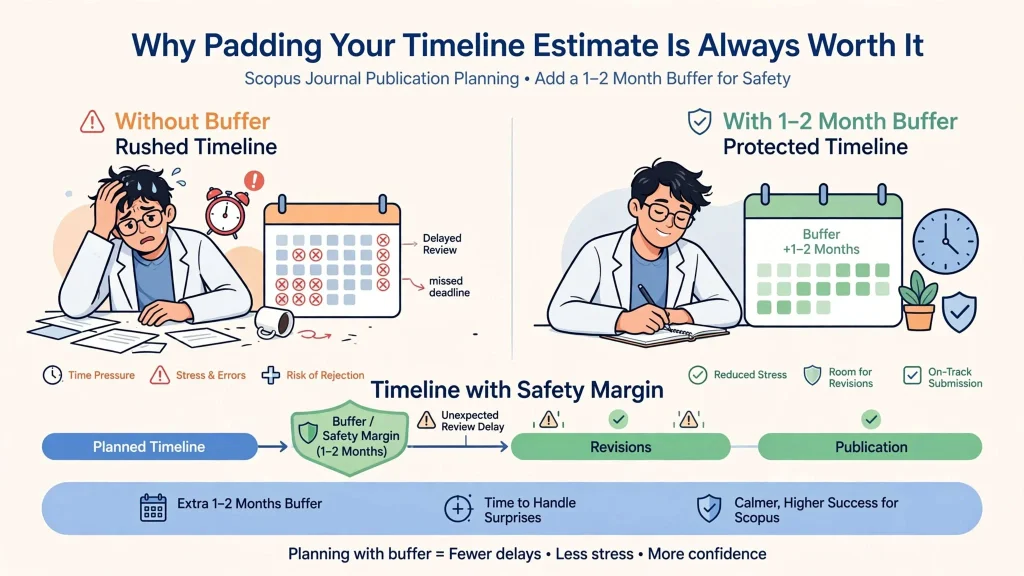
Researchers who plan around the shortest possible timeline estimate frequently end up scrambling near their deadline. Padding your estimate costs nothing if things go smoothly, but it protects you completely if they do not.
التخطيط بحذر لا يعني التقليل من الطموح، بل يعني حماية نفسك من ضغط غير ضروري إذا تأخرت إحدى المراحل عن التوقع الأولي. هذا النهج يقلل التوتر بشكل كبير خلال فترة انتظار قرار المجلة.
Treat the six to nine month estimate as a floor, not a ceiling. Building your plan around the longer end of any realistic range gives you room to breathe if any single stage runs past what you initially expected.
Getting Support With Your Publication Timeline
Fast Publications يساعد الباحثين السعوديين على وضع جدول زمني واقعي من اختيار المجلة وحتى النشر النهائي، بما يتوافق مع موعد الترقية أو المنحة البحثية المحدد.
For general journal verification guidance, see our Scopus Indexed Journals List guide. If speed is your main priority, see our guide on fastest legitimate Scopus journals for a deadline, also live on the site.
Frequently Asked Questions
What is a realistic total timeline from journal selection to publication?
Six to nine months for a well matched Q1 or Q2 journal is a reasonable planning estimate, though this varies by journal and field.
كم يستغرق التحكيم العلمي عادة في مجلات سكوبس؟
يتراوح عادة بين شهرين وأربعة أشهر للحصول على قرار أولي، لكن هذا يختلف بشكل كبير حسب المجلة والتخصص، لذا يُفضل التحقق من الأبحاث المنشورة حديثاً للحصول على تقدير أدق.
How much buffer time should I add for a promotion deadline?
Add one to two months beyond your realistic estimated total, to account for unexpected delays like a slower reviewer or an additional revision round.
هل يمكن تسريع عملية النشر دون المساس بجودة البحث العلمي؟
نعم، من خلال اختيار مجلة ذات كفاءة تحكيم حقيقية، وتقديم بحث منسق بشكل صحيح من البداية، والاستجابة السريعة والكاملة لملاحظات المراجعين عند طلب التعديل.
Does the review timeline differ significantly between Q1 and Q3 journals?
Not always in a predictable direction. Some Q1 journals move faster due to efficient editorial teams, while some Q3 journals move slower due to smaller reviewer pools, so always check actual recent timelines rather than assuming based on quartile alone.