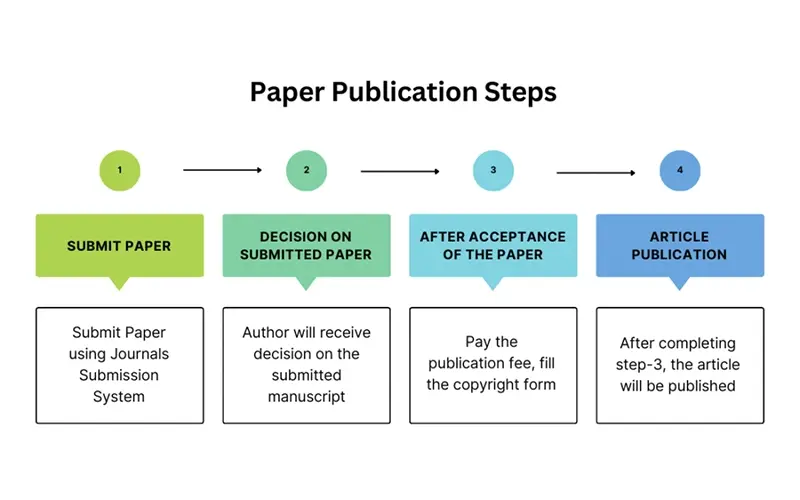
Publishing in an ISI journal is a great achievement for all researcher since all the ISI journals are very renowned for their quality standards and are recognized globally. On the other hand, submitting an article to an ISI journal can be complex and challenging, especially for new authors. A comprehensive step-by-step guide follows to help ensure that a submission is successful and compliant with the strict requirements of an ISI journal.
1. Identify the Right ISI-indexed Journal
You will begin by choosing an ISI-indexed journal that corresponds with your research.
- Understand the Scope: Consider the aims and scope of the journal to ensure relevance to your article.
- Check Impact Factor: The journal’s impact factor should be considered to understand its influence in your field.
- Look up the Guidelines for Submission: Go through the submission requirements of the journal regarding formatting, word count, and referencing style.
- Consult with Peers: Ask around, for recommendations by colleagues or mentors who might have had their work published with the ISI journal.
Choosing the right journal ensures your research reaches the targeted audience with a higher likelihood of acceptance.
2. Prepare Your Manuscript
Preparation of your manuscript is the major secret to success.
- Follow Journal Guidelines: Adhere strictly to the formatting and structure requirements provided in the journal’s author guidelines.
Structure Your Article: Most ISI journals require a standard structure, including:
- Title and Abstract
- Introduction
- Methods
- Results
- Discussion
- Conclusion
- References
Focus on Clarity: Use clear, concise language with no jargon. Your article should be free of grammatical errors and typos.
- Format References: This allows for proper formatting of citations and references, according to the style requested by the journal, including APA, MLA, and Chicago.
- Run a plagiarism check: Ensure that your manuscript is original by checking for plagiarism using various detection tools, to avoid potential rejections.
With a polished manuscript, you demonstrate professionalism, thus increasing your likelihood of receiving a positive review.

3. Write a Compelling Cover Letter
The cover letter represents the chance for you to impress the editor with your very first move.
- Name Your Editor: If possible, find the name of the editor-in-chief or handling editor.
- Highlight Relevance: Shortly describe, for your article, how it fits within the scope of the journal and how it contributes to the relevant field.
- Mention Key Findings: Summarize the major findings of your research and what those findings mean.
- Declare Compliance: Confirm that the manuscript is original, not under consideration elsewhere, and complies with ethical standards.
A good cover letter can set the tone for an entire submission process.
4. Log in to the Journal’s Submission System
Most ISI journals use an online submission system, such as ScholarOne or Editorial Manager.
- Create an Account: Register on the platform, providing accurate contact information.
Familiarize yourself with the system by uploading files onto the platform and tracking your submission status.
- Upload Required Documents: This normally includes:
- This usually includes the manuscript file, typically in Word or PDF format.
- Cover letter
- Additional files (such as data sets, figures, or tables)
- Ethical approval forms, if applicable
Check the ordering of files to ensure the manuscript, figures, and supplementary material are in the correct order.
5. Submit Your Article
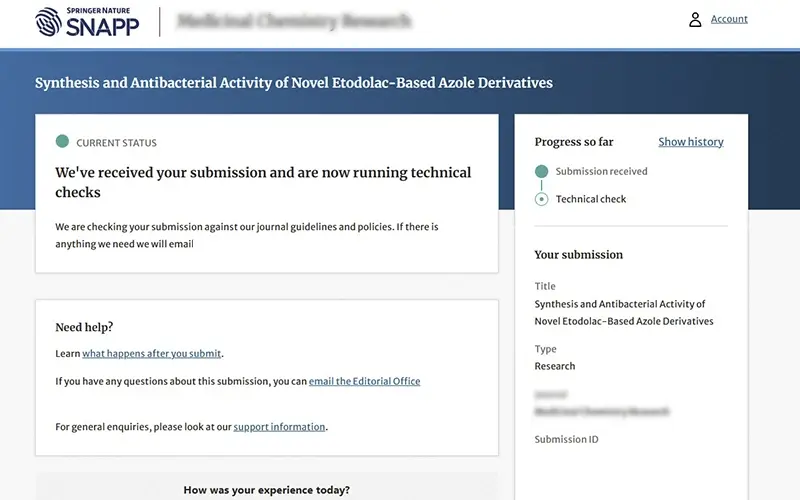
After submitting the manuscript, the journal will send an acknowledgment and your article will proceed to the editorial review process.
- Double-Check Information: Check for submission information: authors’ names and affiliations, abstracts.
- Check Ordering of Files: Ensures the manuscript, figures, and supplementary material are in the correct order.
- Fee payment for submissions: There is an initial processing fee to be paid for some ISI journals, which is to be made available as soon as possible.
- Submit: Click the “submit button”. Note the confirmation message or reference number in case you would like to track the status.
Once you submit the manuscript, the journal will send an acknowledgment and your article will enter the editorial review process.
6. Navigate the Peer-Review Process
The peer-review stage involves critical evaluation by experts in the field.
Initial Editorial Screening: Evaluation for scope, originality, and adherence to the guidelines by the editor.
Peer Review: If your paper gets through the initial screening, it is sent to reviewers who review the methodology, analysis of data, and conclusions.
Reviewer Comments: Please be prepared to revise your manuscript based on the comments of the reviewers.
Address each comment in detail and with respect.
Highlight in your manuscript using track changes or a response letter where changes have been made.
Timely and thoughtful responses to reviewer comments go a long way in improving your chances of acceptance.
7. Monitor Submission Status
You can track your submission through the journal’s online system
- Status Updates: Common statuses include:
- “Under Review”: When the article is under review.
- Required Revisions: Reviewers have suggested changes.
- “Accepted”: Indicates the article’s acceptance for publication.
Follow Up Politely: In case you have not gotten updates in the time duration you are expecting, write a polite inquiry to the Editorial Office.
This keeps you up to date, helping you to manage expectations and timelines effectively.
8. Address ethical considerations
ISI journals are committed to ethical publishing practices.
- Conflict of Interest: Also, declare any potential conflict of interest in your manuscript.
- Authorship Criteria: Verify that all contributors meet the criteria for authorship and are listed in the appropriate order.
- Data Integrity: Ensure the accuracy and verifiability of the data, including the use of raw data when necessary.
- Ethics: Declaration of Helsinki for clinical studies; for publication ethics, follow guidelines as provided by COPE. Adherence to ethical standards is essential for maintaining credibility and avoiding retraction.
9. Post-Acceptance Activities
There are a few more steps to complete once an article is accepted before publication.
- Proofread: Go through the galley proofs provided by the journal for any typographical errors or formatting issues.
- Copyright Agreement: Fill in a copyright transfer or licensing agreement, if demanded by the journal.
- Promotional Activities: You need to share your research on social media, academic forums, or through your institution’s website for wider reach.
This will allow your article, upon completion of all the post-acceptance tasks promptly, to be published without any unnecessary delay.
10. Celebrate and Monitor Your Impact
Getting a paper published in an ISI journal is a big deal – take some time to savor your success.
- Monitor Citations: Employ search tools like Google Scholar or Web of Science to check citations and measure the impact of your article.
- Engage with the Community of Researchers: Respond to feedback, engage in discussions, and collaborate with peers as a way of building your academic profile.
- Plan Future Publications: Use the experience from this submission to improve future ones and further contribute to your field.
But publication isn’t the end of the journey-it’s the beginning of a wider conversation in your scholarly community.
In last!
Although the process may seem daunting, submitting to an ISI journal can be less intimidating if done systematically. Everything from choosing the right journal to addressing reviewer comments plays an important role in ensuring success. This step-by-step guide will lead you through the submission process with confidence, enhance your likelihood of acceptance, and establish you as a contributor to high-quality academic research.