A research paper does not stop once it is published; on the contrary, this is when the actual work starts. You have to be proactive when it comes to this because you need to take a multi-pronged approach in order to make sure that your research makes it to the intended audience as well as receive the desired citations. This starts with your decision-making prior to publication and extends quite a long time after your work is published. It is not only that your work should be scientifically sound but also that it should be marketed in such a way that it will leave a lasting impression.

Pre-Publication Strategy: The Stage setting Success
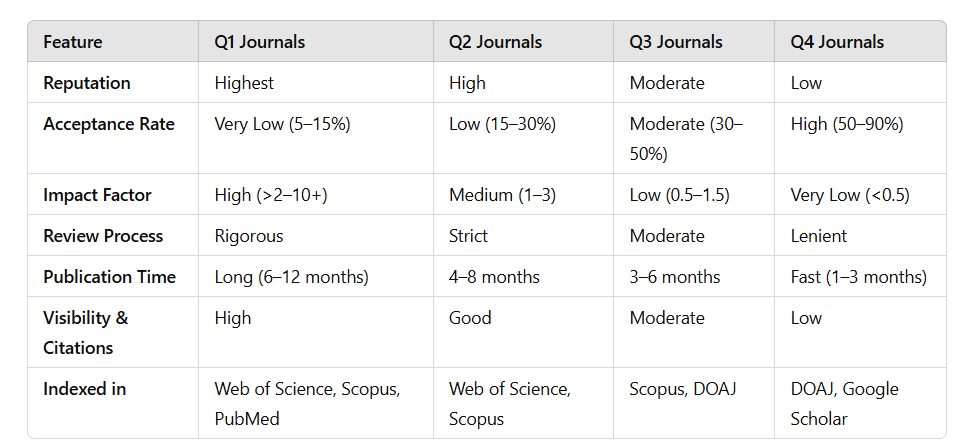
You are able to prepare the groundwork to a successful launch even before your paper hits the presses. The decision to make the correct journal is the most important. The factors of high impact are indicative of a journal being influential but its audience and scope should be taken into account as well. As an example, an open-access and highly specialized journal may prove more useful to reach a niche community compared to a generalized and subscription-only one because the paywall obstacle is eliminated. Your abstract and keywords are the digital front stores of your paper; that is what the search engines and databases apply to locate and classify your work. You will also have an outstanding abstract full of relevant keywords, and thus, your paper will be more likely to be discovered. The easier your research can be located, the higher the chances of your research being read and cited.
Value of Rapid publication and online marketing
In high-speed industries, a first-mover advantage can be a huge advantage when it comes to releasing your research. This is where pre-print servers, including arXiv and bioRxiv come in handy. They enable you to post your work in real time and create a time stamp on what you have done, and therefore can be cited even before your work has been subjected to peer review. After your paper has been accepted, then you need to make use of the resources of your institution. University communication departments are usually keen on marketing innovative research. They may assist in press releases, blogging and pitching to news media, reaching much further than the academic community into the general conversation.
In the case of researchers who are pressed to be published in haste or due to the lack of the logical institutional backing, nowadays there are special companies that provide services related to the quick publication and promotion of the research. Such companies will be able to help with a variety of tasks, including finding their way through the difficult publishing environment and preparing their manuscripts and marketing them specifically. They frequently are known to have preestablished contacts with journals that provide expedited review and may develop professional, attractive, summaries of your work, e.g. infographics or video abstracts. Collaborating with a professional service can bring your research to another whole new level so that it receives the visibility it rightfully deserves in a timely fashion. Do not make your breakthrough discoveries wait in a line; a quick publication service can get your work in the hands of your colleagues, and the general audience at the earliest opportunity.
In the modern world of the internet age, a solid online presence cannot be compromised. Social networking websites such as Google Scholar, ResearchGate and ORCID are very crucial in demonstrating your work. Having up-to-date profiles on them is a guarantee that your publications can be found easily and attributed to you as a professional. Social media, especially such platforms as X (used to be Twitter) and LinkedIn, may be effective instruments in science communication. Do not just post a link to your article: write a thread that describes your most important results in understandable language. Include the use of appropriate hashtags and mention other parties or scholars to increase your message and develop a community around your work. This is a proactive move towards having a broader audience.
Immediacy after a Book Publication: Maintaining the momentum
The marketing should not end once your paper has been published. Do not believe that people will automatically come across your work. Spread it by sending personal e-mail messages to colleagues and collusion, particularly those mentioned. Another useful method of reaching the scholarly community and directly presenting your work before the potential readers is to present your conclusions at conferences.
The other effective tactic is a layman summary blog post. Break down all the technical terms in your manuscript to regular, comprehensible words and make use of examples and illustrations to clarify complicated points. This does not only bring in a wider audience of students, journalists and policymakers, but also enhances chances of your work being referred to another situation. Lastly, it is always a good idea to publish in open access journals whenever feasible. By killing the paywall, you open your research to the entire world and dramatically expand its opportunities to reach the world and be cited. With the adoption of these strategies, you will be able to make your published paper not static but a dynamic and powerful piece of research that actually makes a difference.