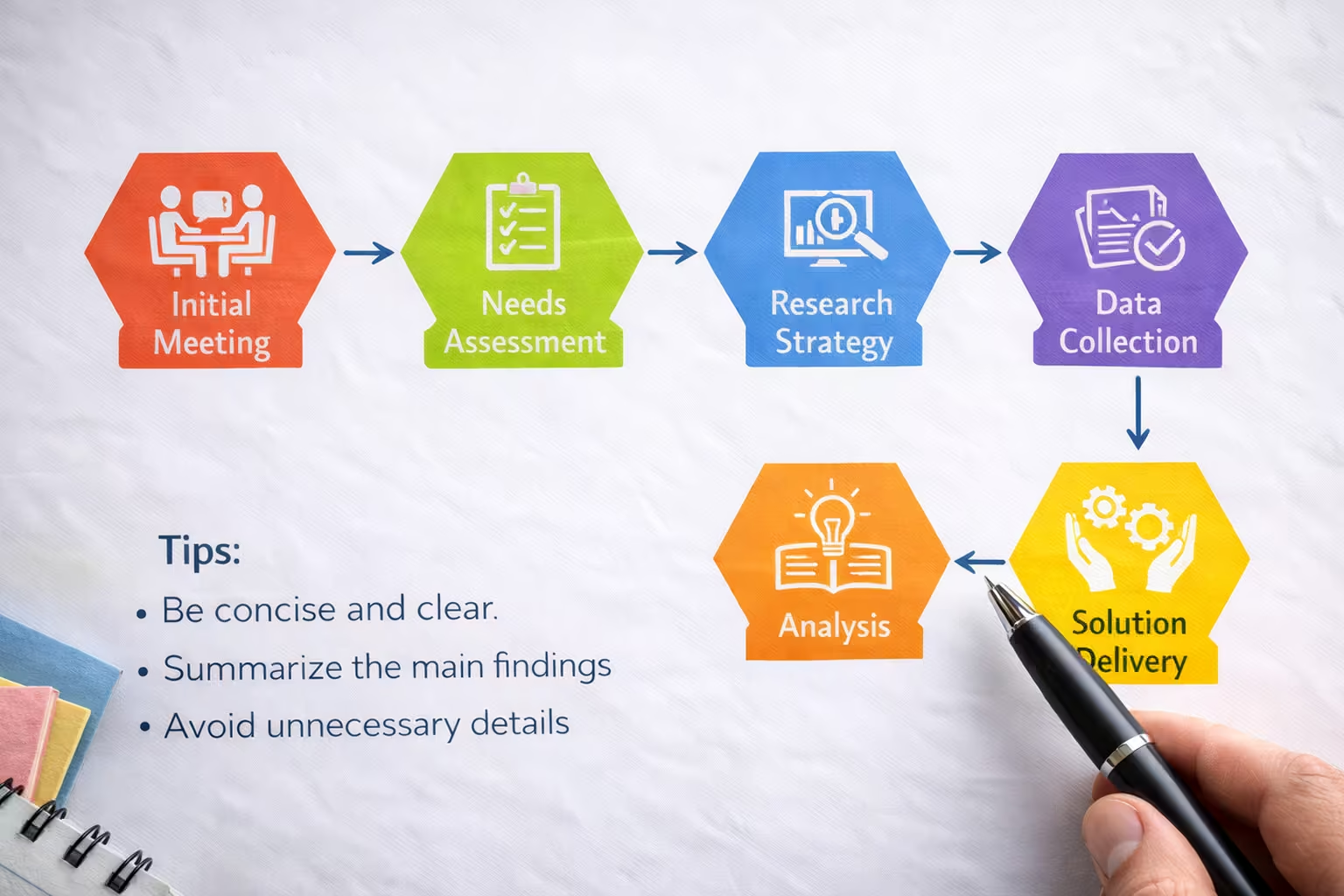
Submitting a scientific manuscript to a high-impact journal is a major milestone in any researcher’s career. However, even the strongest research can face rejection if the manuscript fails to meet technical and editorial standards. This is where technical editing services become invaluable. Unlike basic proofreading, technical editing involves in-depth improvements to clarity, consistency, formatting, and compliance with journal guidelines. all of which are essential for acceptance.
At Fast Publications, we understand the demands of academic publishing and the rigorous expectations of reviewers and editors. Drawing from our experience, this blog highlights the top technical editing tips to help you refine your manuscript and increase its chances of success.
Why Technical Editing Matters
Scientific research is judged not only on its content but also on how well it is communicated. A poorly structured manuscript with formatting errors, inconsistent references, or unclear data presentation can weaken the impact of even the most innovative findings.
Technical editing ensures that your work is:
- Professionally polished – Free from errors, inconsistencies, and redundancies.
- Aligned with journal requirements – Structured according to submission guidelines.
- Reader-friendly – Easy for reviewers and readers to follow.
- Internationally accessible – Written in clear academic English for a global audience.
With competition in academic publishing growing, technical precision is no longer optional, it is expected.

1. Master Journal Guidelines
Every journal has unique submission requirements for structure, word count, referencing style, and figure formatting. Ignoring these guidelines is one of the fastest routes to rejection. Before submitting:
- Review the journal’s author instructions thoroughly.
- Format sections (abstract, introduction, methodology, results, discussion) exactly as required.
- Apply the correct referencing style (APA, MLA, Chicago, Vancouver, etc.).
- Ensure tables, charts, and images meet resolution and labelling standards.
Tip: Create a compliance checklist before submission to avoid missing critical details. At Fast Publications, our editors perform a full journal guideline check to confirm compliance.
2. Prioritise Clarity and Conciseness
Scientific writing must be precise, but precision should not come at the cost of readability. Many manuscripts get rejected simply because they are overly complex or ambiguous. To improve clarity:
- Avoid long, complicated sentences.
- Use active voice where possible.
- Replace vague terms with specific academic language.
- Eliminate redundancy and filler words.
For example, instead of writing “The results of the experiment were observed to be significant in nature”, write “The results were significant.”
Clarity allows reviewers to evaluate your research on merit, without being distracted by language issues.
3. Maintain Consistency Throughout
Consistency in terminology, formatting, and style reflects professionalism and makes your manuscript easier to read. Check for:
- Uniform use of abbreviations and acronyms.
- Consistent spelling (British or American English).
- Standardised formatting for headings, subheadings, and citations.
- Alignment between figures, tables, and text.
Even small inconsistencies can frustrate reviewers. A technically edited manuscript eliminates these distractions, keeping the focus on your research.
4. Strengthen Figures and Tables
Data presentation is critical in scientific publishing. Poorly formatted figures or unclear tables can reduce the impact of your findings. When preparing visuals:
- Use high-resolution images (minimum 300 dpi).
- Label all figures and tables clearly with descriptive captions.
- Avoid overcrowding tables, keep them concise and readable.
- Ensure consistency between text descriptions and visual data.
Technical editing often involves checking whether figures and tables enhance clarity or create confusion. At Fast Publications, our editors verify visual accuracy and formatting for journal readiness.
5. Perfect Your References
Incorrect or incomplete references are a common reason for rejection. Reviewers expect accuracy and consistency in citations. Before submission:
- Verify that all in-text citations appear in the reference list.
- Ensure reference style matches journal guidelines exactly.
- Check for missing details (DOIs, volume, issue, pages).
- Use reference management tools (Zotero, EndNote, Mendeley) to streamline formatting.
Strong referencing demonstrates academic integrity and helps readers locate your sources easily.
6. Improve Flow and Structure
Beyond grammar and formatting, technical editing focuses on the overall structure of your manuscript. Each section should transition logically into the next. To achieve smooth flow:
- Ensure your introduction sets up the research problem clearly.
- Present methods in enough detail for replication.
- Organise results logically, supported by evidence.
- Use the discussion to connect findings with the broader literature.
Good structure improves readability and highlights the significance of your work.
7. Proofread with a Fresh Perspective
Even after multiple revisions, errors can slip through. Before submission, do a final check:
- Take a break of 24–48 hours, then re-read your manuscript with fresh eyes.
- Print out your paper, errors are often easier to spot on paper than on screen.
- Read sections aloud to identify awkward phrasing.
At this stage, professional technical editing services can provide the objective perspective you may lack as the author.
How Fast Publications Supports Technical Editing

At Fast Publications, we provide comprehensive technical editing services designed for researchers preparing manuscripts for top-tier journals. Our services include:
- Language polishing for clarity and accuracy.
- Formatting adjustments to meet journal submission requirements.
- Consistency checks across terminology, references, and data.
- Visual verification of figures, tables, and supplementary files.
- Final compliance review to ensure readiness for submission.
By refining both content and presentation, we help authors present their research with confidence.
Final Thoughts
Technical editing is often the difference between rejection and acceptance in scientific publishing. While strong research forms the foundation, it is precise communication, consistent formatting, and strict adherence to journal guidelines that secure approval from reviewers and editors.
By mastering journal requirements, ensuring clarity, maintaining consistency, perfecting references, and strengthening visuals, you can significantly improve your manuscript’s chances of success.
At Fast Publications, our expert technical editing services provide the support researchers need to meet these high standards. We understand the unique challenges of academic publishing and are dedicated to helping you achieve recognition for your work.
Your research deserves to be seen, cited, and celebrated. With professional technical editing, you can ensure it receives the attention it merits in the global academic community.