All scholarly communication is based on research integrity. When you are putting your work out there, you are committing to a grave responsibility of telling the truth and being transparent.
Plagiarism goes against this trust. It involves the utilization of other individuals’ words, ideas, processes or outcomes without giving due credits. This moral failure is a breach of your credibility. It also prevents the readers from actually tracking the intellectual history of your arguments.
Fast Publications can assist the researcher in attaining flawless integrity. We can lead you through the pitfalls, and we make sure that your work has the best standards in publication.
The High Cost of Integrity Failure
Plagiarism has harsh, career-changing consequences. What a lot of people don’t know is that academic and professional systems weigh accidental cases of plagiarism as heavily as intentional ones.
In the academic or professional arena, ignorance is not an excuse.
To students, the punishment can be either through failure, suspension or expulsion. In extreme situations, the universities can even cancel a degree several years after it was awarded.
In the case of professionals, the situation becomes even more stressful. Allegations of plagiarism might result in the firing of workers, termination of tenure or even removal of research grants. When a journal withdraws your article, it essentially kills your image by leaving a permanent history behind.
Three Fallacies that Wreak Havoc on Your Work
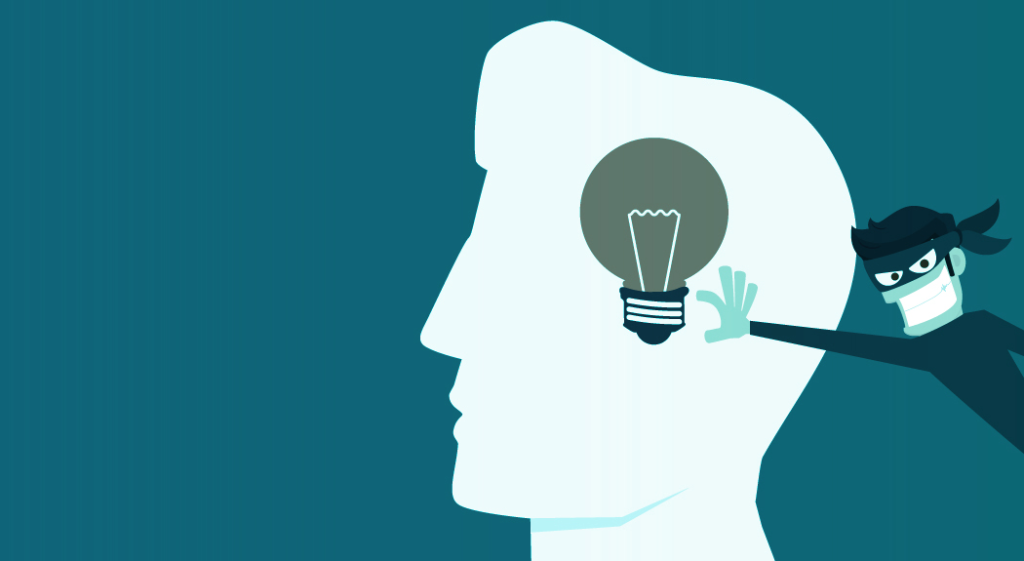
To guard yourself, you need to know how plagiarism takes place in subtle ways. There are three types of major mistakes.
Direct and Verbatim Copying
Direct plagiarism refers to the process of copying text word-for-word without quotation marks. The inability to utilise quotation marks is a severe mistake. Even citing the source properly, you distort the words as your own. You must always enclose any phrase taken verbatim in quotation marks.
Patchwriting/Mosaic Plagiarism
Mosaic plagiarism may be unintentional, but it is harmful. Researchers know this trick as patchwriting because it entails theft of phrases. You only replace some synonyms and retain the original structure of the sentence.
This strategy does not pass the originality test. To convey the idea of the source, you have to develop a completely different sentence construction. Similarity checkers easily detect this structural borrowing.
Self-Plagiarism
Self-plagiarism occurs when you take important parts of your old work. This involves handing in an expired term paper on a fresh assignment.
In case you intend to reuse your own published data or text you have to mention them as referenced material. You have to seek the approval of all the concerned parties, such as previous teachers or publishers.
Plagiarism and Similarity Report Understanding
Fast Publications use sophisticated software such as iThenticate and Turnitin. These technologies produce Plagiarism and Similarity Reports.
One must understand the essence of the difference: software or plagiarism is not similar, Software detects Plagiarism. The similarity score is just a percentage of a corresponding identifying text to the broad database of the tool.
Even when you reference the text correctly, a match will be achieved. Text quoted and reference lists are indicated as properly done in the report.
The percentage score should not be taken alone. Context matters entirely. A high score could indicate the existence of a lot of quotations that are required in a literature review. On the other hand, a low score will be an indicator of sophisticated fraud (e.g., 0-5%). This poor score can indicate that there is a possibility of cheating contracts or text manipulation to avoid being caught. The interpretation of the Plagiarism and Similarity Reports must be done by experienced human judgment.
Simple effective solutions for originality

Accidental plagiarism is circumvented by habits of discipline. These are three strategies that can be used to ensure the security of your work.
- Master Excellent Habits of Note-taking
Accidental plagiarism is largely caused by poor note-taking. Always avoid copy-pasting any writing in a draft hoping to refer to it in the future. It is easy to lose track of what the idea was all about.
Note the complete information of a bibliography and page numbers of each source used at once. This is evident in differentiating your own analysis with direct quotes or paraphrased content. In cases of uncertainty with regards to whether a fact is shared or not, cite it.
- Master Rigorous Paraphrasing
Paraphrasing literally implies to translate the ideas of the source to your completely original voice and structure. Never be just a matter of replacing synonyms.
Adopt a systematic method, You must read the original text first till you get a full meaning of the text. Next, set the source aside. Write your paraphrase with your recollection and knowledge alone. Lastly, compare your new text with the source to make sure that you maintained the original meaning; however, you have used a totally different form.
- Leverage Technology Wisely
Utilize Reference Management Software (RMS) such as Zotero, Mendeley or EndNote. These programs sort out these references, and they cite them automatically. RMS assists you to meet technical compliance, and minimizes manual citation work which is both simple and error prone.
Beware of Generative AI. There is a risk that AI tools will abuse copyright. Others are able to create pure fictional sources, which amounts to academic fraud. You have to check all citations proposed by AI. Efforts are being made by actively introducing new detection tools that detect patterns of AI writing and AI-paraphrasing.
Choose Fast Publications to assure Integrity
The landscape of academic integrity is complex and unforgiving. Even the slightest errors may lead to disastrous professional outcomes.
This is the risk that Fast Publications deals with. We give you the real human eye to decode your Plagiarism and Similarity Reports. Fast Publications go beyond false percentage grades to ensure that your paper is clear, structurally unique and well in compliance. We provide peace of mind, integrity clearance, and protect your career and research.