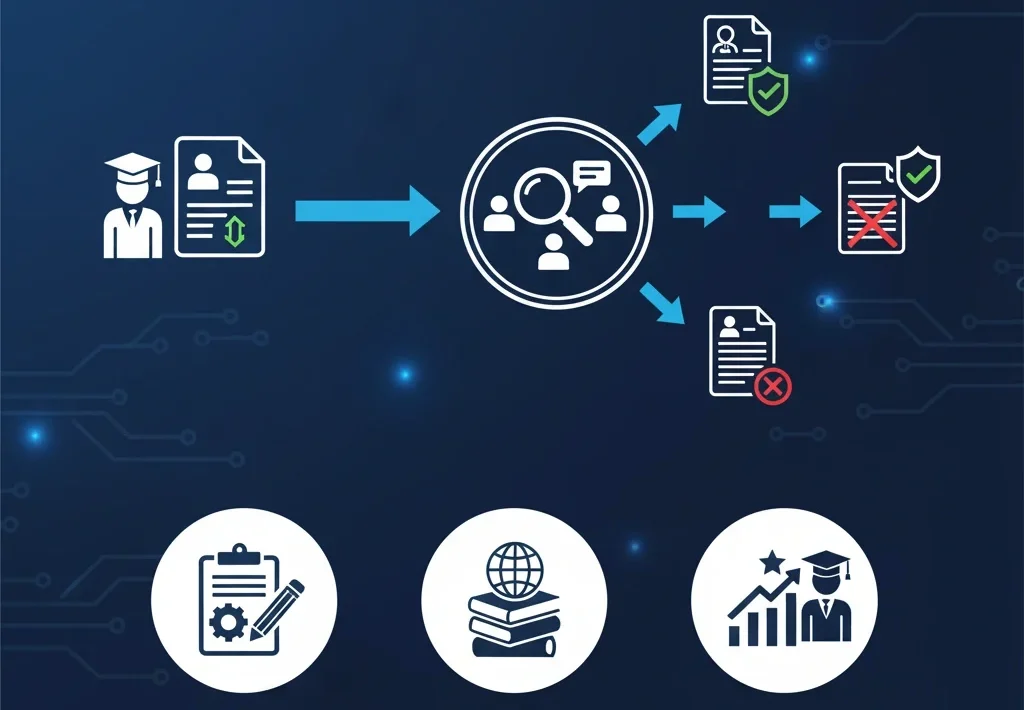
Publishing in a respected journal can strengthen your academic profile. However, finding the right journal often takes more work than researchers expect. A high quartile may look attractive. Yet, ranking alone cannot determine whether a journal suits your research. Your topic, methodology, audience, and contribution all matter. The same applies when you compare Q1 and Q2 journals.
A Q1 journal may offer greater visibility. A relevant Q2 journal may still provide a stronger match for your study. Therefore, researchers need a practical selection process.
This becomes especially important for academics working with institutional publication requirements. For researchers in Saudi Arabia, journal rankings and indexing can influence publication decisions. At the same time, researchers across the Middle East face similar challenges. This guide explains how to evaluate Q1 and Q2 Scopus journals before submission.
What Do Q1 and Q2 Mean?
Journal quartiles help researchers compare publications within specific subject categories.
Q1 generally represents the highest-ranked group.
Q2 represents the second-highest group.
However, quartile status depends on the subject category and ranking system.
One journal can therefore hold different positions across categories. The ranking can also change over time. For that reason, check the current information before making a decision. Do not rely on an old journal website, screenshot, or third-party list.
Is a Q1 Journal Always the Better Choice?
Not necessarily. Suppose your research covers a highly specialized engineering application. You find a prestigious Q1 journal.
However, its recent articles focus mainly on theoretical research. Your manuscript may therefore fall outside its main audience.
A Q2 journal could publish studies much closer to your research area. That journal may offer better subject alignment.
This does not make Q1 journals less valuable.
It simply means that research fit should come before ranking.
Carry Out Extensive Research
Before searching for journals, define your manuscript clearly. Identify the central research question. Then consider your discipline and methodology.
Look at your study population or dataset. Define the main contribution. Finally, identify the readers who would benefit from your findings. These details narrow your journal search.
For example, an artificial intelligence paper could fit several fields.
It might suit computer science. It could also fit healthcare technology. Another option could involve medical informatics.
Each field has different journals and audiences. Your research should determine where you begin.
Examine the Journal’s Scope

The journal’s aims and scope deserve close attention. Read the official scope before considering submission. Then examine recently published papers. Look for studies with similar topics and methods. Compare their research questions with yours.
Also check whether the journal publishes your article type. A strong scope match can reduce the risk of desk rejection. It also places your research before readers who understand its subject. This makes scope one of the most important factors in journal selection.
Read Recent Articles
You do not need to read every paper in a journal. Instead, review five to ten recent articles. Focus on papers related to your research.
Study their:
- Topics
- Research methods
- Article structure
- Keywords
- Figures
- Tables
- Discussion style
- Reference patterns
This exercise shows what the journal publishes regularly. It can also reveal terminology used by its editors and readers. If your manuscript looks completely different, reconsider the target.
Comparing Q1 and Q2 Journals
Create a shortlist instead of choosing the first attractive journal. Then compare each option against the same criteria.
| Factor | Questions to Ask |
|---|---|
| Research fit | Does the journal publish similar studies? |
| Scope | Does my topic match its aims? |
| Indexing | Is its current Scopus status verified? |
| Quartile | What is its current subject-category ranking? |
| Audience | Will the right researchers read my work? |
| Article type | Does the journal accept my manuscript format? |
| Fees | Can I manage the publication costs? |
| Timeline | Does the process suit my deadline? |
| Reputation | Does the journal have credible editorial standards? |
| Requirements | Can I meet its submission guidelines? |
This approach makes comparison much easier. It also prevents quartile status from dominating the decision.
When Should You Target a Q1 Journal?
A Q1 journal may suit your research when several factors align. Your study should fit the journal closely. Your contribution should also meet its editorial expectations. The manuscript should present the research clearly.
You should also have realistic expectations about competition. Q1 journals can attract substantial submission volumes. Therefore, preparation matters.
Do not select a Q1 journal simply because its ranking looks impressive. Select it because your research belongs in that journal.
When Does a Q2 Journal Make Sense?

A Q2 journal can become an excellent target when it closely matches your research. It may have a strong audience for your topic. Its article types may also match your manuscript. Your institution may accept Q2 publications.
The journal may also offer suitable publication options. Therefore, researchers should not treat Q2 as a fallback category. Evaluate the journal itself. Its relevance matters more than the label alone.
This principle makes Q2 Journal Selection in Saudi Arabia more useful than simply searching for the highest possible ranking.
Check Your Academic Requirements
Before selecting a journal, check your institution’s current rules. Requirements can differ between universities, departments, and academic programs. Some researchers may need Scopus indexing.
Others may need a specific quartile. Some may have requirements involving Web of Science. Others may need publications for graduation, promotion, or research funding. Therefore, confirm your requirements first.
For researchers in Saudi Arabia, this step can prevent an avoidable problem later. A journal can appear suitable while failing to meet an institutional requirement.
Verify Scopus Indexing
Never assume that a journal remains indexed forever. Indexing status can change. Coverage can also vary across databases and subject areas. Before submission, verify the journal carefully.
- Check the exact title.
- Check the ISSN.
- Confirm the current indexing information.
- Also review the relevant subject category.
This matters because some websites publish outdated indexing claims. Researchers seeking Scopus Publication Services Saudi Arabia should apply the same verification standard.
Professional support should involve careful journal assessment rather than simply providing a list of journal names.
Check the Journal’s Current Quartile
Quartile information needs context. First, identify the ranking database. Then check the subject category. Next, verify the relevant year. Finally, confirm the journal’s exact title and ISSN.
Do not rely on an old Q1 badge. Do not assume a journal holds the same quartile across every discipline. Current information should guide your decision.
Look Beyond Rankings
Quartile status provides useful information. It does not tell you everything.
You should also consider:
- Research scope
- Editorial standards
- Recent publications
- Peer-review process
- Publication fees
- Open-access options
- Article types
- Submission requirements
- Publication timeline
- Target readership
These factors help create a more realistic picture. They also help you identify journals that genuinely suit your manuscript.
Publication Speed Is Important

Researchers often want fast publication. That becomes understandable when an academic deadline approaches. However, fast publication claims need careful evaluation.
A quick editorial decision does not guarantee quick publication. Peer review can take time. Reviewers may request major revisions. The editor may also require another review round.
Therefore, assess the complete process. Do not choose a journal based solely on an advertised turnaround time.
Check Publication Fees
Some journals charge article processing charges. Others follow different publishing models. Fees can vary significantly between journals. Therefore, review the official pricing information before submission.
Also check whether your university provides publication funding. Some researchers may qualify for institutional support or journal-specific waivers. Do not assume that Q1 journals always cost more. Do not assume that Q2 journals always cost less. The publisher and journal determine their own policies.
Check the Article Type
Your manuscript must fit the journal’s accepted formats. Some journals focus heavily on original research. Others publish reviews or short communications. Some accept technical notes.
Others may accept case reports. Review the author guidelines before preparing the final submission. This can prevent unnecessary formatting work. It can also help you avoid submitting an unsuitable article type.
Evaluate the Journal’s Audience
Ask who reads the journal. Your research should reach people who can understand and use its findings.
Consider whether the audience includes:
- Researchers in your discipline
- Industry specialists
- Healthcare professionals
- Engineers
- Policy researchers
- Technology experts
- Academic institutions
Audience matters because publication is not only about acceptance. It is also about visibility and relevance. A strong journal puts your work in front of the right readers.
Be Careful With Predatory Journals
Researchers should investigate unfamiliar journals carefully. Some publications make exaggerated indexing claims. Others promise unusually fast acceptance. Some may imitate established publishers.
Warning signs can include unclear editorial information. Poorly explained peer review can also raise concerns. So can suspicious indexing claims. Before submitting, verify the publisher.
- Check the journal’s ISSN.
- Review its editorial board.
- Examine its publication ethics.
- Also confirm its indexing independently.
These checks can protect your research record and publication investment.
Avoid Guaranteed Publication Promises
No legitimate service can control a journal’s editorial decision. Editors decide whether manuscripts proceed. Reviewers assess the research. The journal then makes the final decision.

Therefore, avoid companies promising guaranteed acceptance. A professional service should focus on preparation and informed journal selection. Fast Publications takes this approach. Our Scopus support service includes manuscript assessment, journal shortlisting, formatting checks, submission guidance, and support for researchers targeting Q1 and Q2 journals. The purpose is to improve preparation.
It is not to bypass peer review.
Build a Three-Journal Shortlist
A simple shortlist can make your publication strategy more flexible. Consider three categories.
1. Preferred Journal
This should represent your strongest suitable target. The journal should match your research closely.
2. Realistic Journal
This should also offer strong subject alignment. Its requirements should match your manuscript and publication goals.
3. Backup Journal
Choose another credible journal in the same research area. This option becomes useful if the first submission fails. A shortlist prevents you from restarting the entire search after rejection.
Journal Selection Can Save Research Time
Poor journal selection creates unnecessary delays. A scope mismatch can produce a desk rejection. Incorrect formatting can also delay submission. A weak journal match can result in repeated rejection. Researchers then need to find another journal.
They may also need to reformat the entire manuscript. This cycle can consume weeks or months. Careful journal selection reduces these avoidable problems. It also allows you to prepare the manuscript around the target journal from the beginning.
Professional Journal Selection Support Helps Alot
Researchers do not always have time to compare dozens of journals. Some also struggle to interpret indexing and ranking information. Others need help matching a specialized manuscript with suitable journals. Professional support can simplify this process.
A specialist can assess the manuscript’s subject. They can identify suitable publication targets. They can compare journal scope and requirements and help researchers understand their options.
Fast Publications offers Scopus Journal Selection Services for researchers who need structured support during this stage. The process should remain transparent. Researchers should understand why a journal appears on the shortlist. They should also understand its limitations.
Manuscript Preparation Is Still Important
Journal selection cannot compensate for a poorly prepared manuscript. Once you select a target, review the paper again. Check the structure. Improve the language. Clarify the research contribution. Review the methodology. Strengthen the discussion. Check figures and tables. Update references where necessary. Finally, follow the journal’s formatting instructions. This creates a stronger submission.
Conclusion
A journal’s quartile can tell you something important. It cannot tell you whether that journal belongs at the top of your shortlist. Start with your research. Then consider scope, audience, methodology, indexing, and article type.
After that, evaluate quartiles, fees, timelines, and institutional requirements. This approach creates a more practical selection process. For researchers in Saudi Arabia, these checks can become particularly useful when publication requirements involve Scopus or specific journal rankings.
A thoughtful Q1 Journal Selection Saudi Arabia strategy therefore goes beyond finding a Q1 label. It connects your research with a journal that can realistically evaluate and publish it. The same principle applies to Q2 Journal Selection Saudi Arabia.
Fast Publications supports researchers through this process with journal selection, manuscript preparation, formatting, submission guidance, and related publication services. Researchers can therefore approach publication with a clearer strategy.
Frequently Asked Questions
Is a Q1 journal always better than a Q2 journal?
No. Q1 represents a higher quartile, but research fit remains essential. A suitable Q2 journal can be a stronger target for specific research.
How should I choose a Q1 Scopus journal?
Start with your research topic and methodology. Then assess scope, recent articles, indexing, quartile, audience, fees, and submission requirements.
How should I choose a Q2 Scopus journal?
Use the same process. Focus on relevance, indexing, journal reputation, audience, and your academic requirements.
Can I submit to any Q1 journal?
No. Your manuscript should match the journal’s scope, article type, and editorial requirements.
Should Saudi researchers focus only on Q1 journals?
Not necessarily. Institutional requirements differ. Researchers should check their university or department requirements before choosing a journal.
How can I verify a Scopus journal?
Check the exact journal title and ISSN against current indexing information. Also review its subject category and coverage status.
How can I avoid predatory journals?
Verify the publisher, indexing, ISSN, editorial information, peer-review process, and publication policies before submitting.
Does journal selection guarantee acceptance?
No. Good journal selection improves relevance and preparation. The journal still controls the editorial and peer-review process.
Can Fast Publications help select a Q1 or Q2 journal?
Yes. Fast Publications provides journal selection support for researchers seeking suitable publication targets. The service can include manuscript assessment, journal shortlisting, formatting checks, and submission guidance.