
IEEE Sensors Journal is one of the most cited venues for sensor technology, instrumentation, and measurement research. Saudi engineering researchers working on sensing systems, whether in electrical, mechanical, or computer engineering, often consider it a natural target. Understanding its specific scope and expectations before submitting saves real time.
What IEEE Sensors Journal Actually Covers
The journal focuses specifically on sensor design, fabrication, signal processing, and applications across physical, chemical, and biological sensing domains. A paper needs genuine sensor-focused content, not just incidental use of a sensor within a broader system study.
تركز مجلة IEEE Sensors على تصميم أجهزة الاستشعار وتصنيعها ومعالجة الإشارات وتطبيقاتها عبر مجالات الاستشعار الفيزيائي والكيميائي والبيولوجي. يحتاج البحث إلى محتوى مرتبط فعليا بالاستشعار، وليس استخداما عرضيا لجهاز استشعار ضمن دراسة أوسع.
Why Scope Fit Matters More Here Than at General Journals
IEEE Sensors Journal receives a high volume of submissions, and editors screen carefully for genuine scope fit before sending papers to reviewers. A paper that treats sensing as a minor component rather than the core contribution often receives a fast desk rejection.
تستقبل المجلة حجما كبيرا من الأبحاث، ويراجع المحررون بعناية مدى توافق البحث مع نطاق المجلة قبل إرساله للتحكيم. البحث الذي يتعامل مع الاستشعار كعنصر ثانوي بدلا من المساهمة الأساسية غالبا ما يُرفض إداريا بسرعة.
Formatting Requirements Specific to This Journal
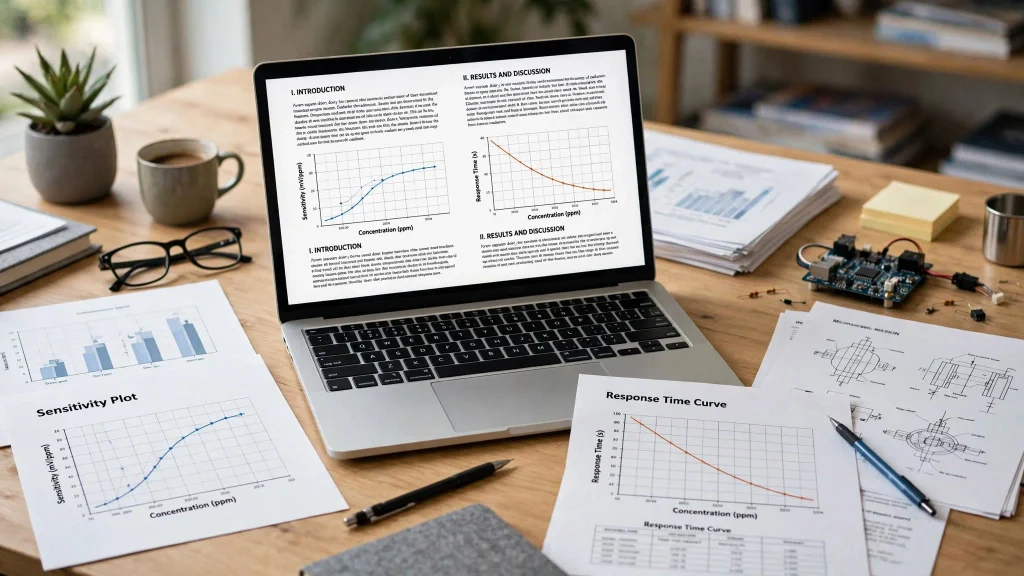
Like other IEEE Transactions and Journals titles, IEEE Sensors Journal follows IEEE’s numbered citation style and specific template structure. Figures and data presentation conventions for sensor performance metrics, such as sensitivity and response time curves, follow field-specific expectations reviewers check closely.
تتبع المجلة أسلوب الاستشهاد المرقم الخاص بـ IEEE وقالبا هيكليا محددا، كما هو الحال في مجلات IEEE الأخرى. تخضع طريقة عرض الأشكال والبيانات المتعلقة بأداء أجهزة الاستشعار، مثل منحنيات الحساسية وزمن الاستجابة، لمعايير متخصصة يراجعها المحكمون بدقة.
Quartile and Impact Considerations
IEEE Sensors Journal typically carries a strong quartile ranking within its specific Scopus subject category, often Q1 or high Q2 depending on the year’s citation data. Confirm the current ranking directly before relying on a past year’s classification.
تحمل مجلة IEEE Sensors عادة تصنيفا قويا ضمن فئتها الموضوعية في سكوبس، غالبا Q1 أو Q2 مرتفع حسب بيانات الاستشهاد لتلك السنة. تحقق دائما من التصنيف الحالي مباشرة بدلا من الاعتماد على تصنيف سنة سابقة.
How This Journal Compares to Broader IEEE Transactions Titles
Broader IEEE Transactions journals, such as those covering general instrumentation or broader electronics, accept a wider range of topics but may offer less depth of specialized sensor-focused reviewers. IEEE Sensors Journal’s narrower focus often means more technically precise, specialized peer review.
مجلات IEEE Transactions الأوسع، مثل تلك المتخصصة في الأدوات العامة أو الإلكترونيات، تقبل نطاقا أوسع من المواضيع لكنها قد تقدم مراجعة أقل تخصصا في مجال الاستشعار تحديدا. التركيز الأضيق لمجلة IEEE Sensors يعني غالبا تحكيما أكثر دقة وتخصصا.
Review Timeline Expectations
Review timelines for IEEE Sensors Journal typically run three to five months for a first decision, consistent with other established IEEE titles. Check recent published papers directly for the most accurate current estimate, since this can shift with submission volume.
تتراوح مدة المراجعة لمجلة IEEE Sensors عادة بين ثلاثة وخمسة أشهر للحصول على قرار أولي، بما يتوافق مع مجلات IEEE الأخرى المعتمدة. راجع الأوراق المنشورة حديثا للحصول على تقدير دقيق للمدة الفعلية الحالية.
Common Mistakes Saudi Researchers Make With This Submission

Submitting a paper where sensing technology is incidental to a broader system or application study, rather than the genuine core focus the journal expects. Using generic IEEE formatting without checking Sensors Journal’s specific figure and data presentation conventions for sensor performance metrics.
التقديم ببحث يكون فيه الاستشعار عنصرا ثانويا ضمن دراسة أوسع لنظام أو تطبيق، بدلا من كونه المحور الأساسي الذي تتوقعه المجلة. استخدام تنسيق IEEE العام دون مراجعة المتطلبات الخاصة بمجلة Sensors لعرض بيانات أداء الاستشعار.
Getting Support With IEEE Sensors Journal Submission
Fast Publications يساعد الباحثين السعوديين على التحقق من توافق بحثهم مع نطاق مجلة IEEE Sensors وإعداده وفق متطلبات التنسيق الخاصة بها.
Our Scopus journal selection services confirm scope fit and current quartile before you submit.
Frequently Asked Questions
Does my paper need to be entirely about sensors to fit this journal?
Sensing needs to be the genuine core contribution, not an incidental component. A system study that uses a sensor only briefly is usually a better fit for a broader engineering journal instead.
ما تصنيف مجلة IEEE Sensors ضمن سكوبس؟
تحمل المجلة عادة تصنيفا قويا، غالبا Q1 أو Q2 مرتفع حسب الفئة الموضوعية وبيانات الاستشهاد لتلك السنة. تحقق دائما من التصنيف الحالي مباشرة قبل التقديم.
How does IEEE Sensors Journal differ from general IEEE Transactions titles?
Its narrower focus on sensor technology specifically often means more specialized, technically precise peer review compared to broader instrumentation or electronics journals covering wider topic ranges.
كم تستغرق المراجعة في مجلة IEEE Sensors عادة؟
تتراوح المدة عادة بين ثلاثة وخمسة أشهر للحصول على قرار أولي. راجع الأوراق المنشورة حديثا في المجلة للحصول على تقدير أدق للمدة الفعلية الحالية.
What is the most common reason for a desk rejection at this journal?
Scope mismatch, where sensing technology is incidental rather than the genuine core contribution of the paper, is one of the most common reasons for a fast desk rejection here.