One of the most disappointing experiences in the life of a researcher is the rejection of the journal. You might have spent months or years writing, revising and preparing your paper only to receive a rejection email. However, here is the reality: you are not finished with your research just because you are rejected. The vast majority of successful authors have gone through rejections, and their work has eventually been published in high-impact journals. The difference is in how you deal with the rejection and how you prepare to resubmit. This guide will discuss the reasons behind rejections, how to react to them, and how professional Resubmission Support Services can help you to get accepted in Scopus, Web of Science, Elsevier, Springer, or other high-quality journals.
Why Rejection is Not a Failure?
It is understandable that you feel discouraged due to rejection, but keep in mind that journals get thousands of submissions annually, and editorial boards are very strict. Even groundbreaking research may face rejection due to quality, mismatch of scope, formatting mistakes, or minor methodological issues.
Rather than seeing rejection as a failure, consider it as feedback and a chance to improve your work. Journal rejections are mentioned by many prominent researchers as stepping stones on the way to more powerful and more influential publications.
Common Journal Rejection Reasons
- Poor Fit with Journal Scope: Submission to a journal that does not fit your topic or intended audience.
- Weak Literature Review: Not demonstrating how your study fits into the body of knowledge.
- Weak Structure or Formatting: Manuscripts that doesn’t meet journal guidelines frequently face rejection.
- Language and Clarity Problems: Grammatical mistakes, vague arguments, or inconsistent style of writing.
- Methodological Concerns: Inappropriate data, inadequate analysis or reproducibility.
- High Similarity Index: Journals are very serious on plagiarism; even self-plagiarism can lead to rejection.
Being aware of these factors will enable you to deal with them in your resubmission plan.
How to Resubmit Journal and Be Successful?

Here is how to make your failure a comeback:
1. Cautiously Read Reviewer Comments
Take time to learn the criticisms and recommendations. Even negative remarks can make you better.
2. Rewrite Your Paper Completely.
Discuss each point of the comment. Include new sources, when necessary, explain procedures, and reinforce your points.
3. Select the Right Journal
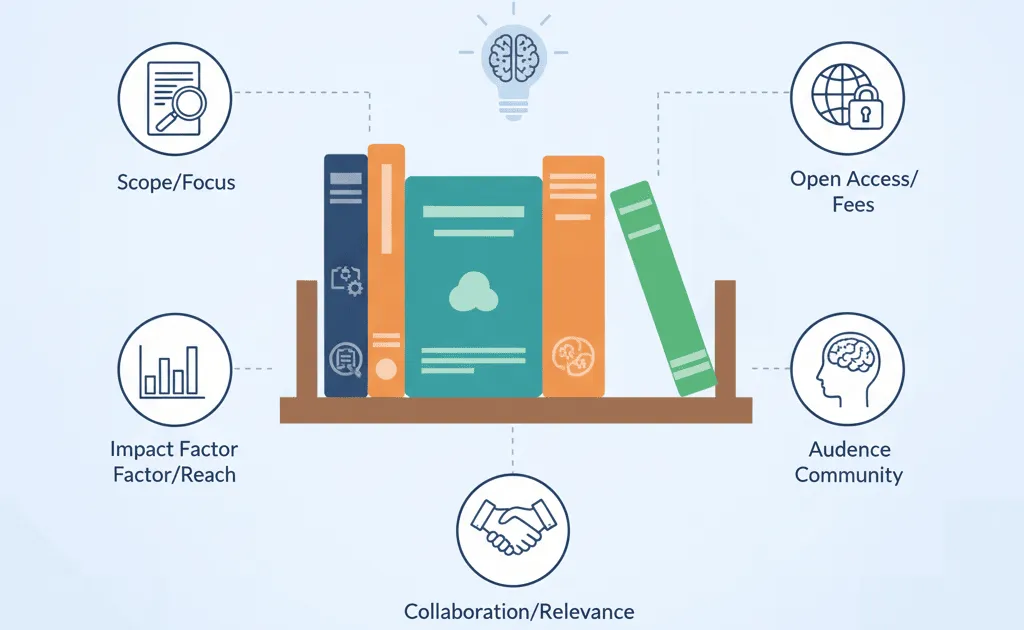
Hurry not to submit to the same journal. Find more appropriate journals to your research. Professional services may assist in finding a better fit of your manuscript to journals that have a greater chance of acceptance.
4. Strengthen Language and Formatting
Poor Editing is one of the main reasons of rejection, Professional editing and formatting will make your paper readable and in line with the journal requirements.
5. Write a Detailed Response Letter
In resubmission, write a letter explaining how you dealt with each reviewer. Respect the peer-review process.
6. Seek Professional Resubmission Support Services
Expert teams offer:
- Revision and editing of manuscripts.
- Journal recommendation on the basis of scope and impact factor.
- Formatting and reference alignment.
- Plagiarism detector and similarity detector.
- Writing response letters to reviewers.
These services will save you time, decrease stress, and increase your likelihood of acceptance.
The Importance of Resubmission Support Services in Your Publishing Process

The academic publishing is very competitive. There are numerous researchers who do not have time or experience to deal with rejections. By collaborating with Resubmission Support Services, you can:
- Conquer recurring rejections.
- Select more compatible journals.
- Be more professional in your work.
- Gain exposure and reputation within your research community.
Your manuscript can prevent rejection and published within a shorter time with the help of an expert professional service.
Rejection to Opportunity
Each rejection has a lesson. Apply it to enhance your research story, enhance your research methodology, and polish your writing. Most of the rejected papers are later publish in the best journals that have more visibility. It is worth remembering that success in publication is all about good research in the right manner, to the right journal, at the right time.
Final Thoughts
Rejection is not the ultimate goal, it is a step towards recognition. Through feedback, revision of your manuscript and expert Resubmission Support Services from Fast Publications, you can turn rejection into acceptance. Your work is worth being read, quoted and praised. Rejection is not a reason to give up; it is a lesson to lead you to better publications and higher grades.