
Getting your book published is a dream for many aspiring writers, but the process can seem overwhelming. Whether you choose traditional publishing or self-publishing, understanding the steps involved is crucial. This guide will walk you through everything from writing your manuscript to seeing your book on shelves.
Step 1: Write and Edit Your Manuscript
Before seeking publication, your manuscript should be polished and compelling. Here’s how:
- Outline Your Book: Develop a clear structure and theme.
- Write Consistently: Set daily or weekly writing goals.
- Revise and Edit: Edit your draft multiple times, focusing on plot, grammar, and readability.
- Seek Professional Editing: Consider hiring a professional editor for detailed feedback and proofreading.

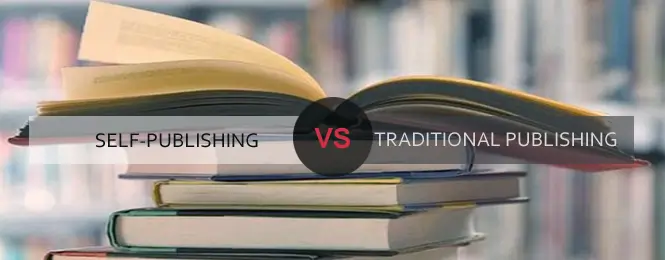
Step 2: Decide Between Traditional Publishing and Self-Publishing
There are two main routes to getting your book published:
Traditional Publishing
- Submit your manuscript to literary agents or publishers.
- If accepted, a publisher will handle editing, cover design, and distribution.
- Authors receive advance and royalties but have less control over the final product.
Self-Publishing
- You handle all aspects, including editing, formatting, and marketing.
- Platforms like Amazon Kindle Direct Publishing (KDP), IngramSpark, and Draft2Digital make self-publishing accessible.
- You keep more profits but must invest in production and promotion.
Step 3: Prepare Your Manuscript for Submission
If you opt for traditional publishing, prepare a strong submission package:
- Query Letter: A one-page letter that introduces your book and yourself.
- Synopsis: A summary of your book, including key plot points and themes.
- Sample Chapters: Typically, the first three chapters of your manuscript.
Step 4: Submit to Literary Agents or Publishers
Finding the right agent or publisher is key:
- Research reputable agents in your genre.
- Personalize each submission according to their guidelines.
- Keep track of responses and be prepared for rejections.
Step 5: Consider Hybrid Publishing
Hybrid publishing combines aspects of both traditional and self-publishing. Authors invest in services like editing and marketing while still retaining some creative control.
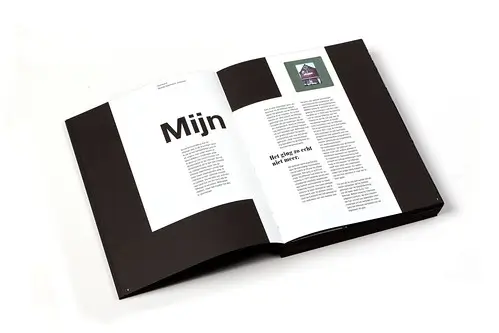
Step 6: Design and Format Your Book (For Self-Publishers)
If you opt for self-publishing, follow these key steps:
- Format Your Book: Convert your manuscript into print-ready and digital-friendly formats (ePub, PDF, or MOBI).
- Design a Professional Cover: A visually appealing cover attracts readers and enhances credibility.
- Obtain an ISBN: This unique identifier is necessary for distribution in bookstores and libraries.
- Select a Publishing Platform: Consider Amazon KDP, IngramSpark, or Apple Books.
- Set a Competitive Price: Research pricing strategies to balance profitability and market demand.
- Create an Author Website: Establish an online presence to showcase your book and engage readers.
- Plan a Marketing Strategy: Utilize social media, email newsletters, and book promotions to maximize reach.
Self-publishing requires effort but offers full creative control and higher royalty earnings.
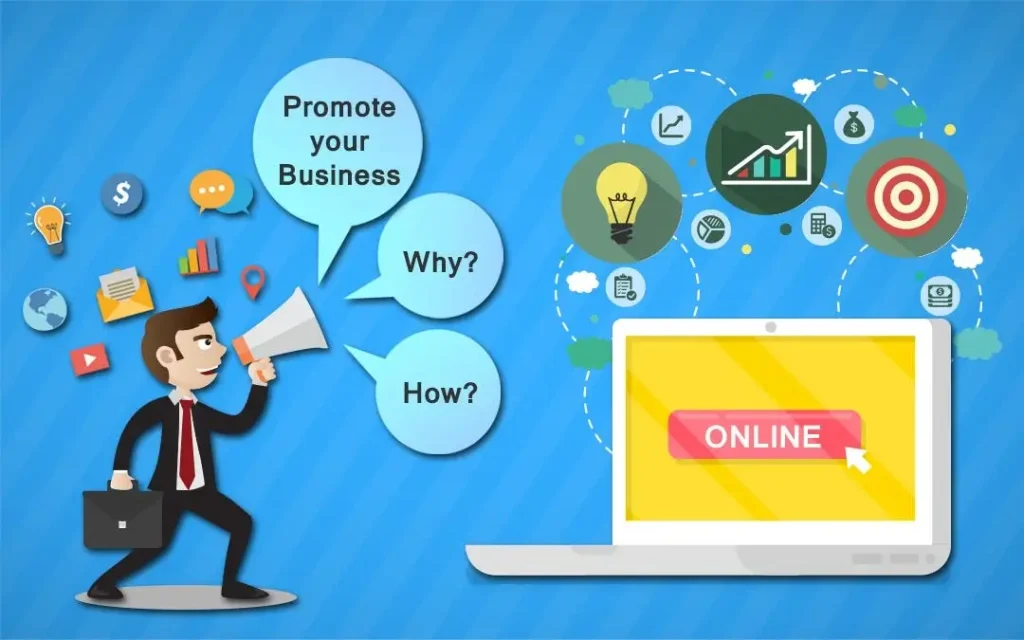
Step 7: Promote Your Book
Once published, effective marketing determines your book’s success. Strategies include:
- Building an Author Platform: Engage with readers through a blog, website, or social media.
- Hosting Book Launch Events: Organize virtual or in-person launch events to create buzz.
- Running Paid Ads: Use Amazon Ads, Facebook Ads, and Google Ads to reach a broader audience.
- Collaborating with Influencers: Seek endorsements from book reviewers and social media influencers.
- Leveraging Email Marketing: Build an email list to keep readers informed about new releases and promotions.
- Submitting to Book Awards: Winning literary awards boosts credibility and sales potential.
- Creating an Audiobook Version: Expanding into audio formats increases accessibility and audience reach.
The right marketing approach enhances book visibility and long-term sales.
Step 8: Market Your Book
Regardless of your publishing path, marketing is essential:
- Build an Author Website: Create a site with a blog, bio, and book links.
- Social Media Promotion: Engage with readers on platforms like Instagram, Twitter, and Facebook.
- Email Marketing: Build a mailing list to update readers on new releases.
- Book Launch Events: Organize online or in-person book signings and reading
Frequently Asked Questions (FAQs)
1. How long does it take to publish a book?
Traditional publishing can take 1-2 years, while self-publishing can be done in a few months.
2. Do I need an agent to get published?
While an agent can improve your chances with big publishers, small presses may accept direct submissions.
3. How much does self-publishing cost?
Costs vary but can range from $500 to $5,000 for editing, cover design, and marketing.
4. Can I publish a book for free?
Yes, platforms like Amazon KDP allow free publishing, but optional costs like marketing and design may apply.
5. How do I get book reviews?
Reach out to book bloggers, use services like NetGalley, and encourage readers to leave reviews on Amazon and Goodreads.
6. What genres sell best?
Romance, mystery, thriller, and self-help books tend to perform well.
Final Thoughts
Publishing a book is an achievable goal with the right strategy and dedication. Whether you choose traditional publishing, hybrid publishing, or self-publishing, each path offers unique opportunities and challenges. Success requires a well-edited manuscript, a clear understanding of the publishing industry, and an effective marketing plan. Remember that persistence is key. Rejections are part of the process, but staying committed will ultimately lead to seeing your book in the hands of eager readers. Start your publishing journey today and bring your story to life!
Need guidance on publishing your book? Contact our team today at Fast Publication for expert advice!