
Search engines have transformed the way readers access information. Today, securing a high position on Google is no longer just about ranking on page one. The real prize lies in capturing featured snippets and rich results, the eye-catching boxes and enhanced search listings that dominate search visibility. For publishers, academics, and businesses, these search features provide an unrivalled opportunity to boost visibility, credibility, and traffic. But how exactly do you optimise for them?
This guide from Fast Publications walks you through the essentials of creating snippet-friendly content and ensuring your articles are tailored for rich results SEO.
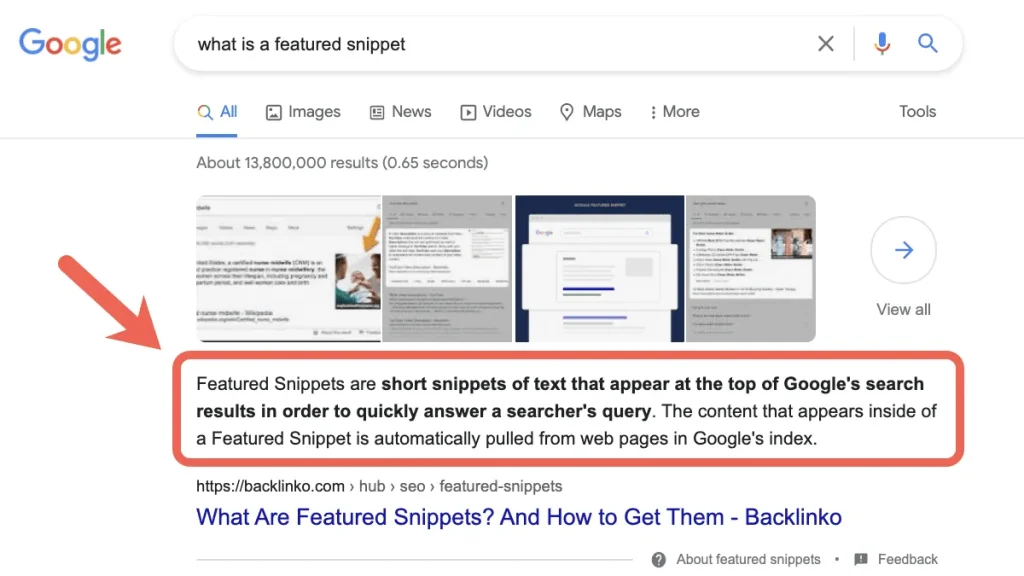
What Are Featured Snippets and Rich Results?
Before exploring optimisation strategies, it’s important to distinguish the two.
- Featured Snippets: These are highlighted answer boxes at the top of search results. They aim to provide quick, direct responses to user queries. Types include paragraphs, lists, tables, and videos.
- Rich Results: These enhance standard listings with additional details such as ratings, FAQs, breadcrumbs, or product information. They rely on structured data markup (schema) to signal relevance to Google.
Together, featured snippets and rich results increase your chances of visibility, drawing users to your content before they even scroll down.
Do Featured Snippets and Rich Results Matter?

For academics, publishers, and content-driven businesses, snippets and rich results deliver more than just clicks. They:
- Drive targeted traffic by answering precise user queries.
- Build authority by positioning you as a trusted source in your niche.
- Improve CTR (Click-Through Rates) because enriched results stand out from plain blue links.
- Support long-term SEO by aligning with Google’s focus on user intent and high-quality answers.
In short, optimising for featured snippets and rich results makes your research, blog, or article more discoverable and impactful.
Step 1: Understand User Intent
Every successful SEO strategy begins with understanding what your audience is searching for. Tools like Google’s “People Also Ask” section, SEMrush, or AnswerThePublic reveal common queries.
For example, if you are targeting journal submission requirements or technical research terms, phrase your subheadings as direct questions. This boosts your chance of winning a paragraph snippet.
Think beyond keywords,focus on solving problems clearly, concisely, and accurately.
Step 2: Structure Content for Snippet-Friendly SEO
Google pulls snippets from articles that are well-organised and easy to scan. To optimise:
- Use clear H2 and H3 headings that match common search questions.
- Provide direct answers in the first 40–60 words of a section.
- Break complex processes into numbered or bulleted lists.
- Use short, precise sentences without unnecessary jargon.
For instance, if writing about comments on research papers, create a section titled “What Are Common Reviewer Comments on Research Papers?” and provide a 3–5 sentence answer.
This structured approach gives your content a high chance of being pulled into snippets.
Step 3: Use Schema and Structured Data
While featured snippets rely mainly on content clarity, rich results SEO depends heavily on structured data markup. Schema tells search engines exactly what your content represents.
Examples include:
- FAQ Schema for common questions.
- Article Schema for blogs or academic content.
- Review Schema if discussing journal paper review comments or examples.
Implementing schema doesn’t guarantee rich results, but it increases eligibility dramatically.
Step 4: Optimise for Long-Tail Keywords
Competition for broad terms is intense. Instead, target long-tail keywords like “example of reviewer comments to author” or “structured data for rich results in research blogs”.
These queries often trigger featured snippets because they reflect specific user intent. Include them naturally within paragraphs, FAQs, and subheadings.
By blending focus keywords with long-tail variations, you maximise reach without overstuffing.
Step 5: Create Content That Matches Different Snippet Types
Google supports multiple snippet formats, and tailoring your content to them boosts visibility.
- Paragraph snippets: Provide concise definitions or explanations.
- List snippets: Use ordered/unordered lists for processes, tips, or steps.
- Table snippets: Present data comparisons or structured information.
- Video snippets: Embed short explainer videos for tutorials.
By diversifying presentation, you expand your chances of being selected for various snippet formats.
Step 6: Focus on Clarity and Authority
Academic and professional content often risks being overly technical. However, answering reviewer comments, writing literature review insights, or explaining journal submission guidelines must remain accessible.
The goal is clarity:
- Write as if addressing a curious but non-expert reader.
- Back claims with credible references.
- Avoid filler phrases like “in order to” or “at the end of the day.”
Authority comes from precision and accuracy, not wordiness.
Step 7: Add FAQs for Rich Results
Adding a short FAQ section at the end of articles is one of the easiest ways to earn rich results. Each question should address real user queries and be written in natural language.
For example:
- “What are reviewer comments on a research paper?”
- “How do I answer supervisor comments on a dissertation?”
- “What is schema in SEO?”
By marking FAQs with schema, you increase the chance of your article occupying additional space in search results.
Step 8: Monitor and Refine with Analytics
Optimisation doesn’t end with publishing. Use Google Search Console to see:
- Which queries trigger impressions.
- Whether snippets or rich results appear.
- How click-through rates evolve.
If your article ranks for related terms but doesn’t earn snippets, refine your content. Add clearer headings, restructure lists, or simplify answers.
SEO for featured snippets and rich results is iterative,it improves with testing and updates.
Final Thoughts
Earning featured snippets and rich results is no longer a luxury; it’s a necessity in competitive digital publishing. By combining structured writing, schema implementation, long-tail keywords, and clear responses to user queries, your articles become more visible and credible.
Whether you’re a researcher dealing with comments on manuscripts, a publisher aiming to improve journal submission support services, or a content strategist targeting broader audiences, adopting these practices will increase your chances of dominating search visibility.At Fast Publications, we specialise in guiding authors and publishers to not only meet journal submission guidelines but also optimise content for maximum impact in search engines. With the right strategies, your work won’t just be published,it will be discovered, cited, and remembered.