Originality is the foundation of credible academic research. Journals and publishers place strict emphasis on ethical writing practices, and manuscripts must demonstrate originality before they can proceed to peer review. Even unintentional similarity or improper citation can result in rejection. This is why plagiarism and similarity reports have become a critical step in the academic publishing process.
At Fast Publications, we provide detailed plagiarism and similarity reports that help researchers evaluate originality, address potential issues, and submit manuscripts with confidence.
Why Plagiarism and Similarity Reports Are Essential
Most academic journals use advanced plagiarism detection software to screen submissions. Manuscripts that exceed acceptable similarity thresholds are often rejected outright, regardless of research quality. Similarity reports allow authors to identify overlapping content before submission and make necessary revisions.
Plagiarism and similarity reports help ensure that research is ethically presented, properly cited, and compliant with journal policies. This proactive approach reduces the risk of rejection and protects the author’s academic reputation.
Understanding Similarity vs. Plagiarism
Similarity does not always indicate plagiarism. Academic writing often includes standard terminology, cited literature, and methodological descriptions that may overlap with existing work. However, high similarity percentages can raise concerns if not properly addressed.
Plagiarism and similarity reports help distinguish between acceptable similarity and problematic overlap. By reviewing these reports carefully, researchers can revise content responsibly and improve originality without altering the research contribution.
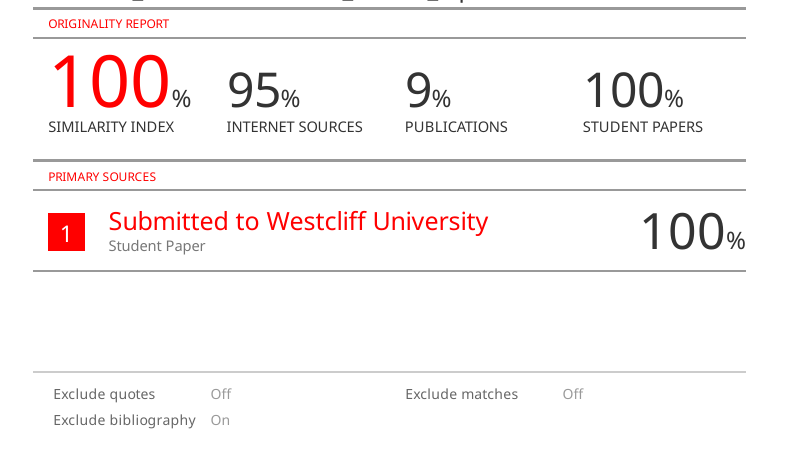
How Fast Publications Provides Plagiarism and Similarity Reports
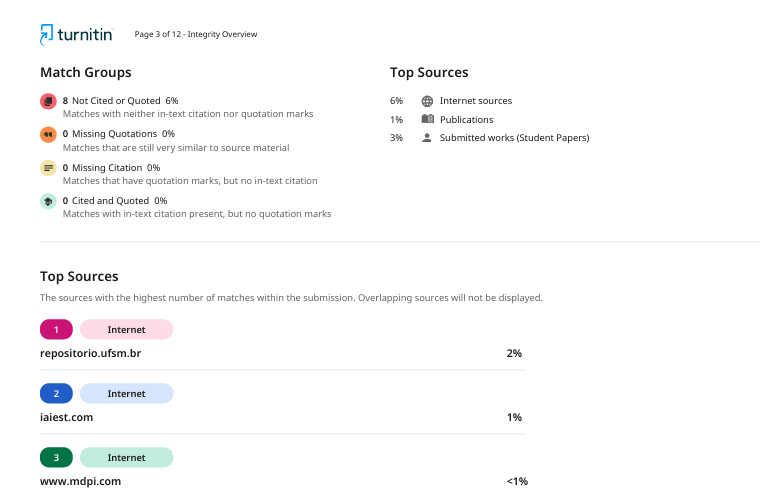
Fast Publications offers detailed plagiarism and similarity reports that highlight overlapping content and provide clear insights into originality levels. Our reports help researchers understand where similarity occurs and how it may be perceived by journals.
We focus on providing actionable feedback rather than just percentages. This allows authors to address similarity concerns effectively and ethically before submission.
Improving Manuscript Originality Responsibly
Reducing similarity requires careful rewriting and proper citation, not simply removing content. Fast Publications supports researchers by guiding responsible revisions that preserve meaning while improving originality.
Our editors assist in refining language, restructuring sentences, and ensuring accurate referencing. This approach helps maintain the academic integrity of the research while aligning with journal originality standards.

Ethical Compliance and Academic Integrity
Ethical publishing practices are essential for maintaining trust in academic research.
reports play a key role in upholding these standards. By addressing similarity issues before submission, researchers demonstrate transparency and responsibility.
Fast Publications emphasizes ethical compliance by helping authors submit manuscripts that meet originality requirements and adhere to academic integrity guidelines.
Supporting Researchers Across Disciplines
Plagiarism and similarity concerns affect researchers across all disciplines, including science, medicine, engineering, and social sciences. Each field has unique writing conventions, which can influence similarity results.
Fast Publications provides plagiarism reports that take discipline-specific norms into account, helping researchers interpret reports accurately and make informed revisions.
Reducing the Risk of Rejection and Retraction
High similarity scores are a common reason for manuscript rejection and, in some cases, post-publication retraction. Plagiarism and similarity reports help researchers identify and address issues early, reducing the risk of negative outcomes.
By submitting manuscripts that meet originality standards, researchers improve their chances of successful peer review and long-term academic credibility.
When to Use Plagiarism and Similarity Reports
Plagiarism and similarity reports are valuable at multiple stages of the research process. Researchers may use them before initial submission, during revision, or before resubmission after reviewer feedback.
They are especially important when submitting to high-impact journals, converting theses into articles, or preparing manuscripts for international publication.
Why Researchers Trust Fast Publications
Since 2000, Fast Publications has supported researchers worldwide with ethical and reliable academic publishing services. Our plagiarism reports are trusted because they provide clarity, confidentiality, and practical guidance.
Researchers choose Fast Publications for:
- Detailed and transparent similarity analysis
- Ethical and responsible revision support
- Confidential handling of manuscripts
- Alignment with journal originality standards
Conclusion
Plagiarism and similarity reports are essential tools for ethical academic publishing. They help researchers ensure originality, comply with journal requirements, and protect academic credibility. By identifying and addressing similarity issues early, authors can submit their work with confidence.
Fast Publications remains committed to supporting ethical research practices and helping scholars publish original, high-quality academic work.