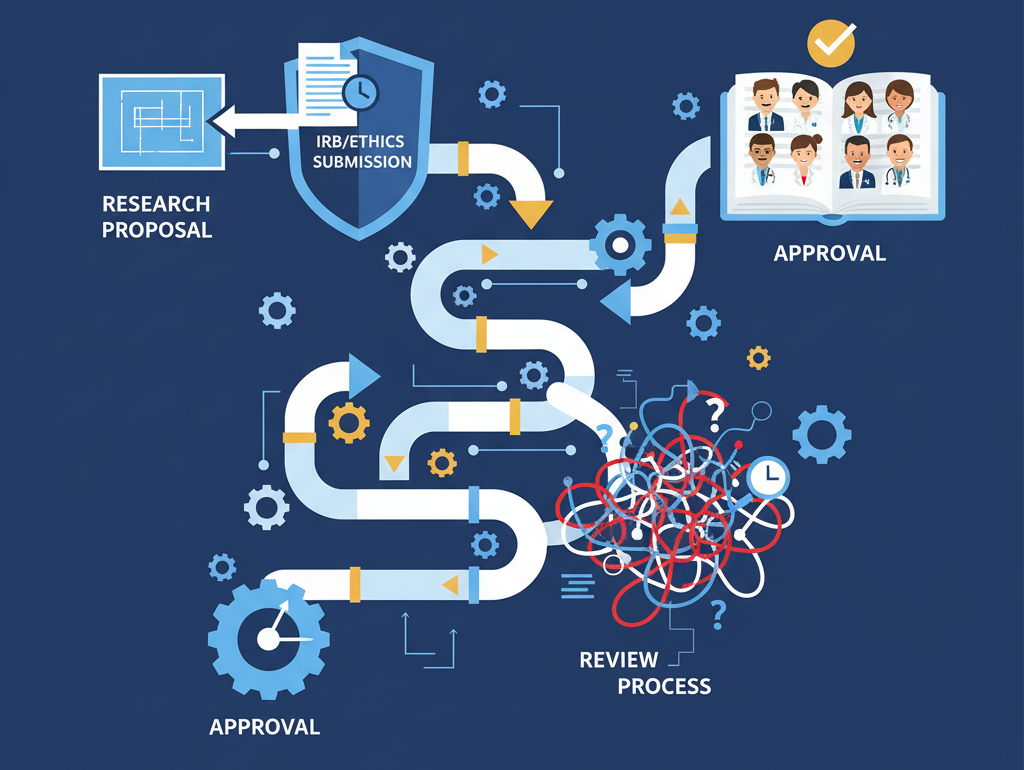
Most of the ground-breaking research projects suffer unnecessary delays due to avoidable weaknesses in formatting. Manuscripts deemed unpublishable by editorial boards are often rejected because of technical incompatibilities that are seldom due to deficiencies in scientific quality. These mistakes create instant warnings to editors and reviewers, which could even cost authors a couple of weeks of valuable time. Advanced Formatting Services of Fast Publications are systematic to remove these pitfalls. All researchers can significantly shorten their path to successful publication and ensure their work attracts the appropriate scholarly attention once they understand and avoid the five most common types of formatting errors.
Importance of Formatting More than You Think
Formatting is an important part of the publication process that is undermined by many researchers who consider it a cosmetic feature. Nevertheless, the exact formatting leads directly to the judgment of the perceived quality and reliability of a manuscript by the editors and reviewers.
Initial Impressions in Peer Review
In most cases, editors make a first impression in just a few minutes of assessing a submission. A professionally styled manuscript is at once an indicator of attention to detail and respect for journal standards. Advanced Formatting creates visual clarity and readability, easing the work of reviewers and creating a good momentum at the start.
The Unspoken Cost of Leaving Things in a Mess
Bad format causes unwarranted hindrances during the review process. Poor fidelity in styling can cause delays in the assigning of reviews, since editors can insist on corrections before peer review. The team at Fast Publications has also optimised the matching of documents to those of particular publishers, whether Elsevier, Wiley, Springer, or another of the great houses and the manuscript will run without glitches through all the stages.
Formatting Error 1: Irregular Font, Spacing, and Margins
These are the basic parameters of a scholarly manuscript presentation, and most writers do not pay much attention to them. Mixed fonts, uneven spacing between lines and uneven margins might seem like little things, yet ultimately, they destroy the professional nature of the document. Journals have strict style rules, and breaking these rules is an indication of sloppiness. Fast Publications ensures total consistency in all the document elements with a full Advanced Formatting:
- Standardised heading hierarchies and subheading styles
- Adequate formatting of tables and alignment of captions
- Accurate margin controls and page layout accuracy
Editors often send manuscripts back to correct the same layout errors, and this wastes time, which could have been avoided by correct formatting.
Formatting Error 2: Improper citation and reference styles
Formatting of references is one of the most technical parts of manuscript preparation, which has rigid journal-specific requirements. There are many citation styles (APA, Harvard, IEEE, Vancouver) that are expected by different journals and discrepancies undermine the trust in the rigour of scholarly work. Even slight mistakes in punctuation, italics or sequence can lead to desk rejection. The careful Advanced Formatting of Fast Publications proves:
- 100% correspondence between in-text references and entries in the reference listing
- Adherence to the target journal style guide to the letter
- Proper spelling, capitalisation of all references
Although reference management software facilitates it, it tends to involve human verification, which is a skill that the editors at Fast Publications oversee with accuracy.
Formatting Error 3: Irregular Tables, Figures, and Captions
The graphic material should be blended with the text in order to keep the readers interested and support scientific statements. Mislabelled numbers or unbalanced tables create a break in the rhythm and narrow the cognitive processing of the reader, suggesting the lack of preparation and possible rejection of the research findings. The visual components displayed are professional in Advanced Formatting as they are meticulous to the journal standards by:
- Uninterrupted sets of numbers (Figure 1, Table 1) are all over the text
- Correct positioning right after the initial writing of that text
- Accurate, descriptive, high-resolution captioning
The experts at Fast Publications compare every visual point with its legend and contextual point of reference, assuring that every visual can be used to strengthen the scientific story presented in the manuscript.
Formatting Error 4: Non-Adherence to Journal Templates
The majority of the journals have their prescribed templates and are highly favourable to submissions with the structure in place. Failure to submit in the correct format or template advice also tends to result in instant desk rejection before scientific review. The respect for journal standards and efficient processing can be proven by template compliance. The Advanced Formatting done by Fast Publications ensures:
- Adequate application of a section hierarchy and level of headings
- Abstract, keywords, and acknowledgement sections are all in place
- 100% compliance with the publisher’s submission portals’ requirements
Elsevier may want a separate title page, and Springer may insist on a certain sequence of sections. Fast Publications forms each manuscript to be exactly to the specifications of the target journal.
Formatting Error 5: Badly Worked Out Figures, Equations, and Appendices
Technical aspects are often corrupted during file conversion or file submission, leading to last-minute problems. Equations can render incorrectly, symbols can change appearance, and appendices can be out of place when converting to PDF. These problems are especially bothersome with manuscripts of mathematical content or with large amounts of supplementary material. By the systematic Advanced Formatting, Fast Publications guarantees:
- Understandable, legible formulas with uniform formatting of symbols
- Correct use of appendix numbering and cross-referencing
- Proper integration and arrangement of additional resources
This detailed method removes the formats that usually slow the publication process, ensuring technical perfection of the first submission to acceptance.
Advanced Formatting Cuts Down on Delays
Formatting intervention is a professional intervention that changes the submission experience and has a significant improvement in outcomes. The precise editors of Fast Publications do a multilayered technical review before final submission, which involves examining all the parameters of document preparation.
- The Advanced Formatting service guarantees the manuscript has really become journal-worthy with intensive compliance checks of the layout, accurate cross-referencing validation, and robust file-conversion stability checking.
- The advantage is a much quicker editorial process and a greatly increased likelihood of being accepted.
- Perfectly formatted manuscripts are characterised by the kind of professionalism and attention to detail which is appreciated by journals.
Conclusion
Formatting is much more than a simple matter of appearance. Proper formatting can help determine the correct basis of successful publication. Numerous scientifically strong articles do collapse because of presentation defects that conceal their actual worth and novelty.
This is the direct influence of Advanced Formatting on the perception of scholarly quality and professionalism of researchers. When a manuscript is in a perfect format, it attracts respect, and it is easy to evaluate scientific contributions fairly. Outsourcing formatting will enable writers to concentrate on their science and leave the merits of structure and presentation of their manuscript to the specialists at Fast Publications. Avoidable format mistakes must not slow down the spread of meaningful research or weaken its possible impact.