The research environment is in a continuous state of flux, and it is out of the conventional approaches. New technologies and the amount of data have never been in such a great condition. This sets the stage for critical development. In the case of research consultancies, it is not only beneficial. But also a prerequisite that they embrace new approaches that will enable them to provide state-of-the-art, effective research. This active anticipation will keep your firm in the spotlight and useful in an accelerated, information-driven world. The entire shift in traditional investigation methods is already underway, which requires urgent consideration and investment from all progressive organisations.
Reinventing Technology Research
Technology drives powerful means that were not practised in the past. All these developments enable the researchers to gather, digest, and examine facts with unprecedented speed and depth. This enhances efficiency and accuracy tremendously. Firms must incorporate these tools in order to keep up with the competition.
AI-Powered Data Analysis
Machine learning (ML) and AI algorithms are changing the manner in which we perform data analysis. They handle large and complicated datasets in a short period of time, detecting hidden patterns and complicated correlations. That could easily go unnoticed by human researchers. It is a game-changer in terms of automation. The first advantage: AI-based analysis is much faster and more accurate in terms of research. It essentially changes the research focus which is tiresome data processing and cleaning with actionable high valued insights. As an example, in market research, ML models now enable researchers to forecast fine-tuning consumer behavior with much more accuracy than any other statistical model used before.
Virtual and Computational Ethnography
Conventional ethnography is based on immersion into a physical environment, which is time-consuming. The emerging methodologies successfully transferred this important qualitative approach to the digital world. Computational Ethnography applies the power of digital tools, data mining methods to analyse online communities and online behaviour. This involves a systematic review of the conversation in forums, social media and other online platforms. Alternatively, Virtual Reality (VR) Ethnography enables researchers to view and interact with subjects in simulated virtual environments. The method produces a highly contextual environment for complex user experience and behaviour studies in a controlled yet unrestrained setting, which offers abundant data.
Enhanced Surveys and Biometric Feedback with Neuroimaging
Researchers cleverly use objective physiological data through new methods, which provide a far richer understanding of human responses. These are such potent methods that go beyond untrustworthy self-reported information to determine precise, objective, emotional responses. Neuroimaging Surveys involve the use of methods such as fMRI or EEG in the study process to observe direct brain activities in reaction to certain stimuli. This provides in-depth understanding about the unconscious tastes and decision making. Moreover, Biometric Feedback is also associated with sensor usage in order to monitor heart rate, eye movements, and skin conductance as the key points of the user experience testing. This offers unquestioned, objective engagement, stress, and emotional influence on product design or a marketing content.
Capitalizing on Big Data and Crowdsourced Insights

The immense sheer amount of publicly available information is a research gold mine of vast scale to consultancies that are ready to be flexible. The new methodologies are using this information to carry out massive studies in a cost-effective way that is way past small and controlled sample studies.
Public Internet Data Mining and Natural Language Processing
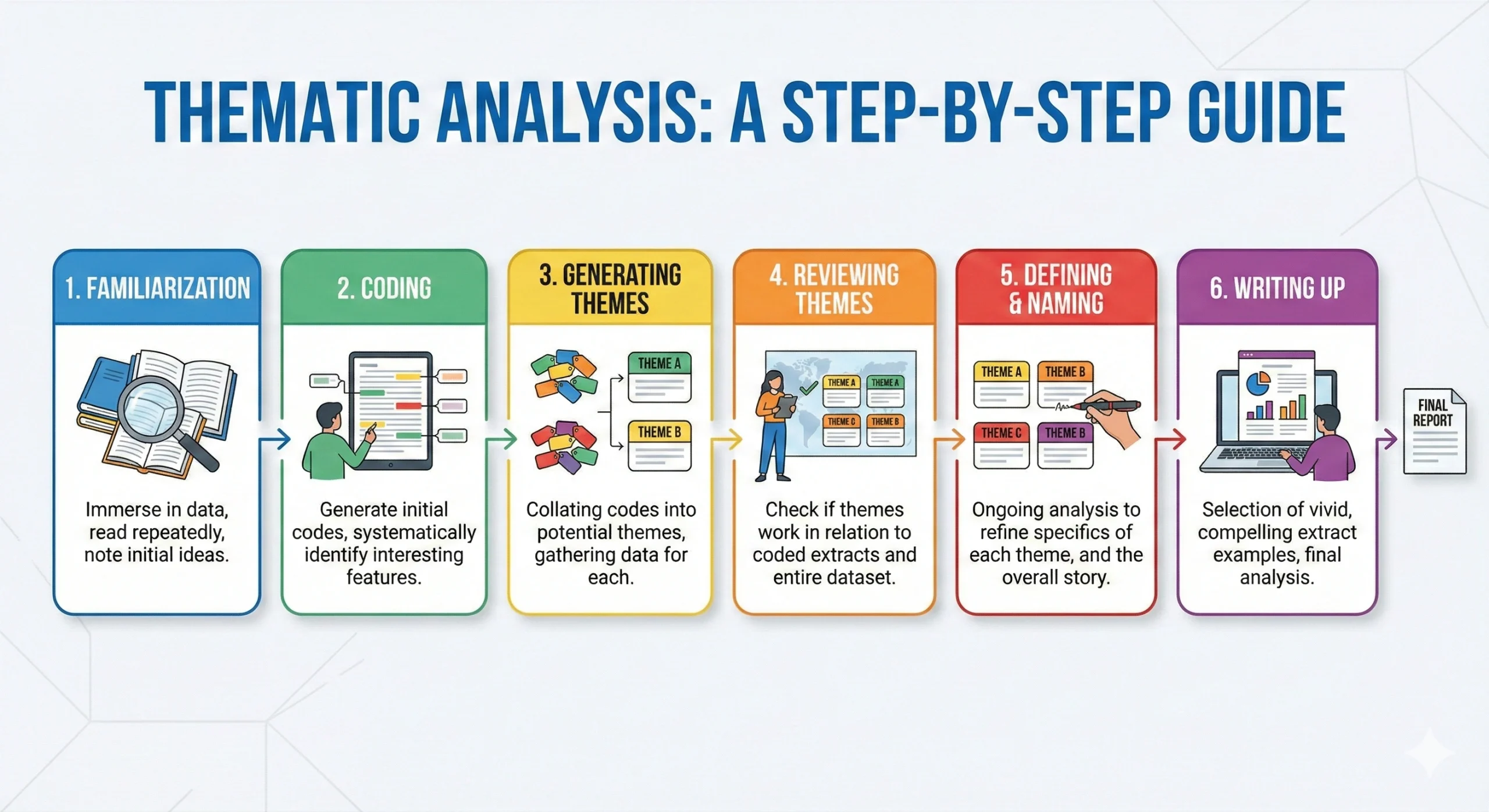
There is an immense quantity of valuable information, not structured, online as posts on social media, comments left by people, and records left by people. Public Internet Data Mining is an extraction and analysis of this publicly available data over the internet. The method allows an individual to conduct high-volume quantitative analysis as well as deep qualitative analysis at a scale that a traditional method could hardly accomplish. The technology behind this mining initiative is Natural Language Processing (NLP), which converts qualitative textual information into quantifiable and research-able data. This is an incredibly potent combination that can perform sentiment analysis and advanced thematic encoding of millions of pieces of data.
Citizen Science and the Crowdsourced Data Collection
Such crucial procedures actively democratize research procedures and can collect data on a large scale, extremely fast, and cheaply. The method of crowdsourced data collection was created to direct researchers to a large online crowd that provides various contributions, such as specialised data tagging, solving intricate problems, or gathering of a specific data point. Citizen Science Platforms involve non-scientists in the direct involvement in scientific research, many including collecting data in their local community. This participatory strategy tremendously increases the scope of the research and introduces critically, different geographical and cultural viewpoints in the study.
The Interdisciplinary and Adaptive Research Call
The future requires that the nature of the research methodology should become much more adaptable, completely open, and essentially cooperative. This has to be the adaptability of consultancies.
Adaptive Research Designs
The conventional research designs tend to be very strict and slow to manipulate. In sharp contrast, adaptive designs actively make changes depending on incoming real-time data and initial findings, which enables making the essential and iterative improvements during the period of the study. This inherent flexibility is particularly useful in rapid, high-stakes domains such as health and technology development which results in more effective, more optimized, and ethical studies.
Blockchain as Data Integrity and Transparency
Open Science as a movement implicitly focuses on transparency and reproducibility of the research. The blockchain technology can provide a strong mechanism of cryptographically dating and storing the research methods, raw data, and final findings. This creates an indelible, completely transparent report, which greatly improves data integrity and develops more confidence in published findings, which is of utmost importance to clients.
Mixed Method and Multimodal Research
The society and the nature of business today are often so complicated that they may not be able to simply solve the issue in one way. Mixed Methods is a complex methodology that is highly structured to incorporate quantitative and qualitative methods of data collection and analysis. Such integration is much more comprehensive and holistic in its understanding of any phenomenon. More than that, Multimodal Research is a step further, as it incorporates data of extremely different nature into itself, the text, pictures, audio, and even physiological measurements, to create the richest, most fully-formed image of the object of study.