When it comes to publishing in a peer-reviewed journal, we at Fast Publications know that it takes more than solid research to make it to the finish line; you need to know how to navigate the academic publishing landscape. Our expertise in Journal Submission services is aimed at enhancing your manuscript and facilitating the publication process.
Our expert editors and researchers guarantee quality and rigor in your manuscript. From dealing with reviewer comments to finding the best fit for your research, Fast Publications provides the support you need to turn your work into published research. Leave the rest to us and focus on the research.
Reviewer Ethics: The Do’s and Don’ts of Conflict of Interest
Peer review is essential for the credibility of the scientific literature. It’s the first line of quality control, making sure that valid and ethical research is the only research published. But the system can only be as good as the people involved. Of the many ethical considerations for peer reviewers, the most important is the avoidance of conflicts of interest (COIs). When authors request Journal Submission help, they need to recognise these ethical considerations for successful publication.
What is Conflict of Interest in Peer Review
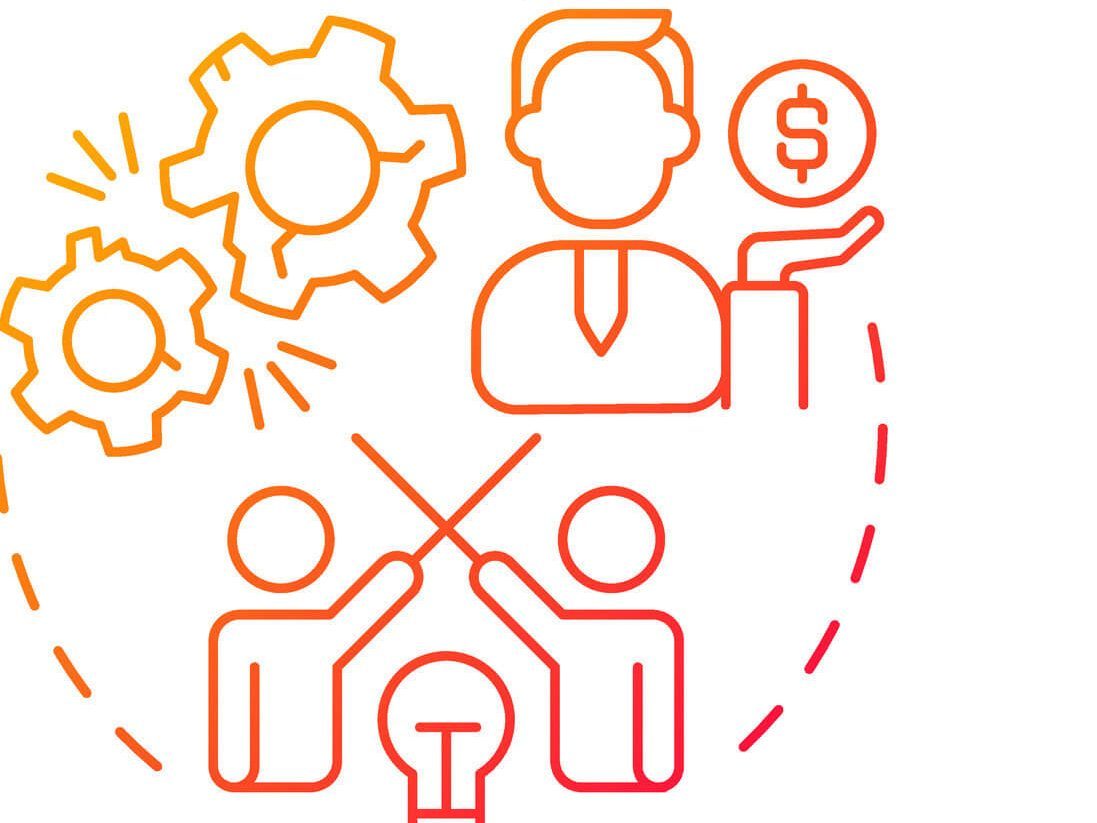
A conflict of interest exists when a reviewer’s personal interests and professional relationships might bias their review. Such conflicts do not necessarily equate to malfeasance. But they pose a risk of personal bias entering the decision-making process. In peer review, a COI could take the form of:
- Investment Interests: Reviewer might own shares in a company whose product is being assessed in the manuscript.
- Academic Affiliation: The reviewer might be a close collaborator, former supervisor or current colleague of the authors.
- Personal Competition: A reviewer might be a member of a research team that is highly competitive with the authors.
- Institutional Biases: Reviewers might be pressured to give preference to manuscripts from their own or affiliated institutions.
Spotting conflicts early ensures the integrity of the journal and research.
The Impact of Undisclosed Conflicts
Failure to disclose conflicts of interest undermines academic integrity. The reviewer who lets bias guide the review process undermines the “blind” or objective review. This may lead to the dismissal of good, groundbreaking work because it contradicts their own research. Or, it can cause the acceptance of poor quality findings due to a close friendship.
Authors seeking Journal Submission help often want unbiased referees. Unethical reviewers have a profound impact on the whole scientific community. Unethical review practices skew the record, squander resources and can even hold back careers.
The Responsibility of the Reviewer
The Committee on Publication Ethics (COPE) has guidelines for reviewers. Disclosure is a reviewer’s foremost duty. If, when receiving a manuscript, a reviewer suspects a COI, they should disclose this to the editor immediately.
In some instances, a small conflict does not preclude a reviewer. The editor might determine that the reviewer’s knowledge is essential, and will consider their disclosure when making an editorial decision. But in the case of direct competition or close personal relationships, it is ethical for the reviewer to refuse to participate in the review process. This preemptive disclosure safeguards the reviewer’s and journal’s reputation.
The Role of Journal Editors and Technology
Journal editors are the second line of defence against COIs. They need to look at reviewer choices to ensure that there isn’t an obvious departmental overlap or co-authorship of recent papers. Today, many submission systems employ AI algorithms to search publication records and institutional databases to suggest potential COIs.
However, the human touch is crucial. Editors need to encourage open communication about potential conflicts without fear of jeopardising future work. Written policies on COIs should be readily available to all parties involved in the publishing process.
What Authors Can Do
Authors can’t control the conduct of reviewers, but they can protect their research. Each journal gives the author the option to “exclude” reviewers during submission. For example, if you have a direct conflict with a particular reviewer or know a reviewer has previously shown prejudice towards your work, you should take this step.
You can also enlist the help of professionals for Journal Submission. Specialists can assist you in finding journals that have a high standard of ethics and transparency in their review process. They can help you prepare cover letters that explicitly declare your own absence of COIs, and set a professional standard.
The Future of Peer Review Ethics
With the rise of “Open Peer Review”, COIs are also evolving. Open peer review means the names of reviewers and their comments are published with the article. This obviously discourages COIs, as the reviewer’s opinion becomes public. This system is not without its difficulties, but it reflects a trend towards greater transparency.
Ethical peer review is not an end state, but an ongoing process of self-examination and self-criticism. Through objectivity rather than self-interest, reviewers uphold the scientific method as a means for human advancement.
Conclusion
Ethics among reviewers and control of conflicts of interest are the keys to research integrity. Upholding these principles by all parties – author, editor and reviewer – is required to keep the peer-reviewed process pure. When writing your next paper, honesty is the best policy. Seeking Journal Submission support from consultancies such as Fast Publications can offer the support needed to navigate these ethical challenges, ensuring your research is evaluated fairly and on its own merits.