Understanding research paper publication ethics is essential before submitting a manuscript to a journal. Ethical publishing practices help ensure that research is original, transparent, accurate, and responsibly presented. Failing to follow these standards can result in manuscript rejection, publication retraction, or harm to an author’s professional credibility. Authors should pay attention to key areas such as proper authorship, plagiarism, data integrity, conflicts of interest, and ethical approval where applicable. Following research publication ethics also supports trust between researchers, journals, and readers. By reviewing academic publishing ethics and preparing for an ethical research paper submission, authors can identify potential issues early and submit their work with greater confidence.
What Is Research Paper Publication Ethics?
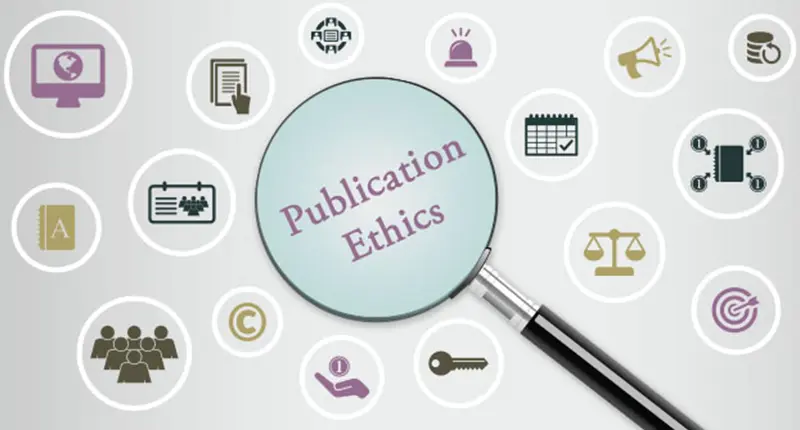
Research paper publication ethics refers to the principles and practices that guide responsible conduct in academic and scientific publishing. Publication ethics in research covers the responsibilities of authors, reviewers, editors, and journals throughout the publication process. Authors are expected to present original and accurate work, while reviewers should provide fair and confidential evaluations. Editors and journals are responsible for maintaining transparent and ethical publishing procedures. Following research ethics helps protect research integrity, prevent misconduct, and build trust in published findings. Although academic publication ethics provides general standards, specific ethical requirements may vary depending on the journal, discipline, study type, and applicable ethical standards in academic publishing.
Check for Plagiarism and Duplicate Submission
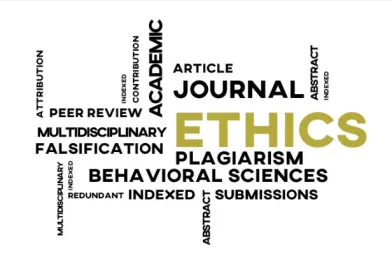
Avoiding plagiarism in research papers is an essential part of ethical academic publishing. Authors should use original wording and properly cite ideas, data, findings, and text taken from other sources. Self-plagiarism can also occur when an author reuses substantial parts of their previously published work without appropriate disclosure. Similarly, duplicate publication involves publishing substantially similar research in more than one journal without proper justification or transparency. Authors should submit a manuscript to only one journal at a time and follow the target journal’s submission policies. Direct quotations should be clearly identified and accurately attributed. Before submission, conducting a plagiarism check for a research paper can help identify unintentional similarities and allow authors to correct citation or wording issues before the manuscript enters the review process.
Follow Ethical Authorship Practices
Proper research paper authorship ensures that everyone listed as an author has made a meaningful contribution to the study and takes responsibility for the published work. Authors should follow clear authorship criteria and agree on author order based on their contributions and the relevant journal’s policies. Authorship ethics also requires avoiding guest, honorary, or ghost authorship, as these practices can misrepresent individual contributions. All listed authors should review and approve the final manuscript before submission and agree to its content. Where required, authors should provide a contribution statement explaining each person’s role. Following responsible authorship and applicable academic authorship guidelines promotes transparency and helps prevent authorship disputes during the publication process.
Ensure Data Integrity and Accurate Reporting
Maintaining research data integrity is essential for producing reliable and trustworthy research. Authors should report findings honestly and accurately without fabricating, falsifying, manipulating, or selectively presenting data. Data fabrication involves creating results or information that were never obtained, while data falsification involves altering research materials, processes, or results in a misleading way. Authors should maintain appropriate research records and supporting data and ensure that figures, tables, statistics, and reported results accurately reflect the study. Such practices help prevent research misconduct and support transparency in academic publishing. If an error is discovered after submission, authors should notify the journal and follow its procedures for correcting the affected information as part of responsible research practices.
Address Ethical Approval and Informed Consent
Research ethics approval may be required for studies involving human participants, animals, or sensitive personal information, depending on the nature of the research. Authors should determine whether approval from an institutional review board or research ethics committee is necessary before beginning the study. For research involving human participants, informed consent in research may also be required to ensure participants understand the study and agree to take part. Authors should protect participants’ privacy and keep confidential information secure. Requirements for ethical approval for research can vary based on the study type, institution, discipline, and journal. Reviewing relevant human subjects research ethics requirements before submission helps authors provide the appropriate documentation and disclosures.
Disclose Conflicts of Interest and Funding
Authors should disclose any conflict of interest in research that could potentially influence the study, its interpretation, or publication. This may include financial relationships as well as relevant non-financial interests. Authors should also provide accurate information about research funding and identify supporting organizations when required. A clear funding disclosure statement helps readers understand how the research was supported and identify any relevant relationships. Authors should follow the journal’s specific disclosure requirements, as policies may vary. Transparent reporting of financial and non-financial interests supports accountability and helps readers evaluate research findings objectively while maintaining appropriate academic conflict of interest disclosures.
Use Proper Citations and Give Credit to Sources

Following research paper citation ethics is essential for acknowledging the work of other researchers. Authors should cite ideas, data, methods, and findings that come from existing sources and use the journal’s required citation style. Proper citation in research also requires checking that every in-text citation corresponds accurately with the reference list. Authors should avoid misrepresenting or taking credit for another researcher’s work. Appropriate credit should also be given to datasets, images, software, tools, and other resources when required. Following relevant academic citation guidelines and carefully reviewing research paper references can help prevent citation errors and support transparent academic publishing.
Review the Journal’s Publication Ethics Guidelines
Before submitting a manuscript, authors should carefully review the target journal’s journal publication ethics guidelines and submission policies. Check the journal ethics policy for requirements related to plagiarism, authorship, conflicts of interest, data integrity, informed consent, and required disclosures. Some journals may follow recognized publishing-ethics frameworks and established standards for responsible academic publishing. Because requirements can differ between journals and disciplines, authors should not assume that one journal’s policies apply to another. Reviewing the relevant research journal guidelines and publication ethics guidelines in advance can help identify potential issues and allow authors to resolve uncertainties before submission.
Final Publication Ethics Checklist
Before submitting your research paper, use this final checklist to confirm that:
- The manuscript is original and not under review by another journal.
- All listed authors meet the journal’s authorship requirements.
- All sources are properly cited and referenced.
- Data, figures, tables, and results are accurately reported.
- Required ethical approvals and informed consent are documented.
- Conflicts of interest and funding sources are disclosed.
- The journal’s specific publication ethics and submission requirements have been reviewed.
Conclusion
Publication ethics should be considered throughout the research and submission process, rather than only after problems arise. Ensuring originality, transparency, accurate reporting, responsible authorship, proper citations, and complete disclosures helps authors meet ethical publishing standards. Before submission, carefully reviewing the journal’s requirements can reduce avoidable issues and improve submission readiness. Professional research paper support can also help authors identify concerns related to clarity, consistency, formatting, and overall manuscript preparation.
Frequently Asked Questions
What is research paper publication ethics?
Research paper publication ethics refers to the principles and standards that guide responsible academic publishing. It covers areas such as originality, proper authorship, accurate reporting, plagiarism prevention, ethical approval, informed consent, and disclosure of conflicts of interest.
Why is publication ethics important in research?
Publication ethics helps maintain research integrity, transparency, and trust in academic literature. Following ethical practices allows authors to present reliable findings, give proper credit to other researchers, and meet the requirements of journals and the wider research community.
What are common publication ethics issues in research papers?
Common issues include plagiarism, duplicate or simultaneous submission, inappropriate authorship, data fabrication or falsification, inaccurate reporting, and undisclosed conflicts of interest. Failing to follow journal-specific ethical requirements can also create problems during the publication process.
What should authors check before submitting a research paper?
Before submission, authors should confirm that the manuscript is original, all authors meet authorship requirements, sources are properly cited, and data and results are accurately reported. They should also verify ethical approvals and consent, disclose funding and conflicts of interest, and review the journal’s publication ethics guidelines.