How Do I Enhance My Research Credibility With Scopus?
With so much competition in the academic world, it’s essential to have authentic research, as it holds great value for your work. One of the major players in this arena is Scopus, an excellent and authoritative database indexing thousands of high-quality journals across various disciplines.
While providing visibility, Scopus authenticates the researcher’s research work. In this blog, we dive into the details of how one can make their research authentic with the help of Scopus, the need to use data from this database, and share practical insights on how one can enhance the credibility of their work by leveraging Scopus.
Scopus Understanding: Role in Authentic Research
What is Scopus? Scopus is an abstracting and citation database of journals, conference proceedings, and patents worldwide. It has become one of the largest available databases for today’s researchers by broad coverage for scientific, technical, medical, special sciences, arts, and humanities disciplines. Scopus serves as an article repository and a tool for carrying out bibliometric analysis—keeping track of citations, analyzing trends, and assessing the impact of research.
Scopus as a Measure of Authenticity: Scopus indexes only high-quality, peer-reviewed journals, ensuring that any research published in a journal indexed in Scopus has undergone a rigorous peer review process, guaranteeing its authenticity. For any researcher, publishing in a journal indexed by Scopus is a vindication of their work’s quality and credibility, as their journals are reputed for strict editorial standards.
Citations and Impact: Scopus provides several citations, which are a direct reflection of the impact that a research paper has high citation not only shows the relevance of your work in the scientific community but also enhances its authenticity. Scopus helps researchers trace how others use their work and reference it, demonstrating its impact and contribution to the field.
Building Real Research with Scopus:
Choosing the Right Journals:
Journal Relevance: Scopus helps to find journals matching research topics and areas of interest. Choosing the correct journal using Scopus will ensure your research reaches the proper audience and receives recognition in the relevant scientific community. Appropriate journal selection services can help researchers identify a journal that best fits the niche of their work. Also, provide the maximum impact for it.
Impact Factor: Scopus provides this essential metric for journals, showing the average number of citations a document receives when published in them. A high-impact factor journal on Scopus means better visibility and authenticity of your research.
Authentication by utilizing data from Scopus:
Scopus Author ID:
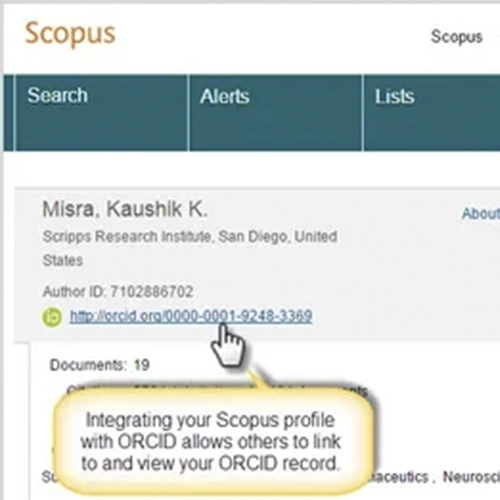
Author Profile: Scopus assigns an Author ID to a researcher for unique identification. Moreover, the unique identification aids in tracking your output and confirms your contribution to the academic community. Correct linking of all your publications with your Scopus Author ID will provide you with a complete and reliable academic profile. This comprehensive and verifiable academic profile is a must for the establishment of research authenticity and credibility.
Citation Counts-H-Index: H-index is another important tool provided by Scopus to judge the contribution impact a researcher has. That said, it depicts two variables, output quality or productivity, and the impact generated from the citations about works issued by a particular author. A higher value signifies great influences upon results together with authenticity. Furthermore, in Scopus, researchers could also keep track of an H-index and build from it improvements in the publications they issue.
Steps to Ensure Valid Research with Scopus
Choosing the Right Journal:
Journal Selection: Researchers use Scopus to select reputed journals that follow high standards of peer review and editorial policies. Scientists must target journals relevant to their academic field to ensure higher citation rates for their work.
Scopus Indexing Understanding: Not all journals are indexed in Scopus, and indexing serves as a significant mark of authenticity. Verifying a journal’s Scopus indexing helps researchers choose suitable journals, improving their chances of acceptance and recognition.
Quality Manuscript Writing: Manuscript Preparation: A well-prepared manuscript heightens its chances of acceptance and consequently adds to its authenticity. Scopus is renowned for its strict acceptance criteria, which include, first and foremost, the quality and originality of the research. Furthermore, editing and formatting services ensure that manuscripts meet the standards of quality required in terms of proper structuring and language. As well as technical formatting, by Scopus-indexed journals.
Impact Analysis Using the Scopus Tools:
Bibliometric Analysis: The availability of bibliometric analysis enables Scopus to measure the impact and relevance of one’s work. Moreover, it gives access to analyzing citation patterns and tracking citations to one’s work. Also, find the most influential papers within your discipline. Furthermore, these tools aid researchers in getting a feel for what the manuscript would yield about its potential impact, which is a sure guide toward appropriate submissions.
Author Metrics: Scopus provides a variety of services to show the publication, along with citation graphs, for an author. Such may include a dashboard for authors that provides insight to researchers when it comes to their contributions vis-à-vis citations and gives them the ability to compare findings with their peers in light of proving the authenticity of their researched contributions.
Managing Your Scopus Profile: Scopus Author Profile Management: To present authenticity, it has always been essential to have any new publications updated on your profile in Scopus periodically. Setting up alerts for new citations and ensuring your profile is current reflects all your scholarly activities. Networking: Engaging in academic discussions and communicating your work with other researchers can foster authenticity in your research, too. Scopus extends networking features to authors with the ability to connect with similar peers and stay up to date on recent developments in their fields.
Enhancing Research Authenticity through Scopus
Visibility and Reach
Global Reach: Scopus indexes research from all over the world, making your research visible to a global audience. This global visibility increases the chances of your work being cited and referenced by peers globally, which is a critical component of research authenticity. Using Scopus data ensures that your work reaches the widest possible audience, thereby enhancing its impact and authenticity.
Recognition by Peers
Citations: Scopus tracks citations, which for a researcher, provides an excellent means of gauging the impact and influence their work has. A higher citation count not only justifies the quality of your research but adds authenticity to it. Tracking citations helps authors gauge the influence of their research. Also, making informed decisions about where to submit their future work.
Long-term effects:
Career development: The Scopus listing can certainly help an academic researcher’s career in a big way. With this listing, their authenticity increases, along with more possible scopes for further collaboration, grants, and invitations to different conferences as speakers. So, the publications guide them on how Scopus would be helpful to them in the case of long-term and authentic research throughout their career.
Practical Tips to Make Use of Scopus to Ensure Authentic Research
Regular monitoring: It is important for authenticity that one updates the Scopus profile regularly with new publications. Setting up alerts for new citations and ensuring your profile is current reflects all your scholarly activities.
Utilize Scopus Metrics: As useful as the H-index and similar metrics may be, they should not be used singly to determine the quality of research. Also, Scopus metrics should be used in concert with other qualitative assessments to provide a full picture of a researcher’s impact and authenticity.
Engage in the Academic Community: Scopus allows networking with other researchers, participating in discussions, and even peer-reviewed article engagement. Engaging in these networks fosters the visibility and authenticity of one’s research.
Scopus Tools in Pursuit of Continuous Improvement: It is encouraging to use supporting Scopus analytical tools. Also, to learn the recent trends in your research area. Moreover, recognize the gap, and develop your work. Applying supporting Scopus analytical tools proactively enhances the authenticity and validity of the research output.
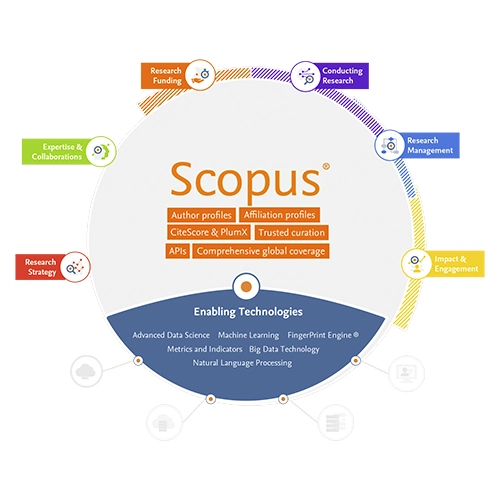
However, verifying the authenticity of your research will give way to academic and professional growth. Scopus provides a framework of quality and reach for your work. This will be further ensured through the selection of appropriate journals, a robust Scopus profile, and judicious use of Scopus metrics. Moreover, Their expertise will help you understand the complexities of the academic publishing world and ensure that your research is recognized and valued by the global community. By Applying supporting Scopus analytical tools proactively, it laly enhances the authenticity and validity of the research output.
How Fast Publications can help you
You must verify the authenticity of your research, and this will give way to academic and professional growth. Scopus gives a framework of quality and reach for your work. Also, this will be further ensured through the selection of appropriate journals, a robust Scopus profile, and judicious use of Scopus metrics. In this regard, Fast Publications provides immense support to the researcher through customized advice and services on how to reap the best from Scopus.
Be it journal selection, managing Scopus profiles, or leveraging bibliometric analysis tools, all these services ensure the work of researchers is not only authentic but also effectively contributes to the academic community. If you want your research to be genuine with Scopus, then Fast Publications is always there to present its services. With Fast Publications, you are guaranteed that as you attend to the core business-research-your publishing details will be in the right hands.