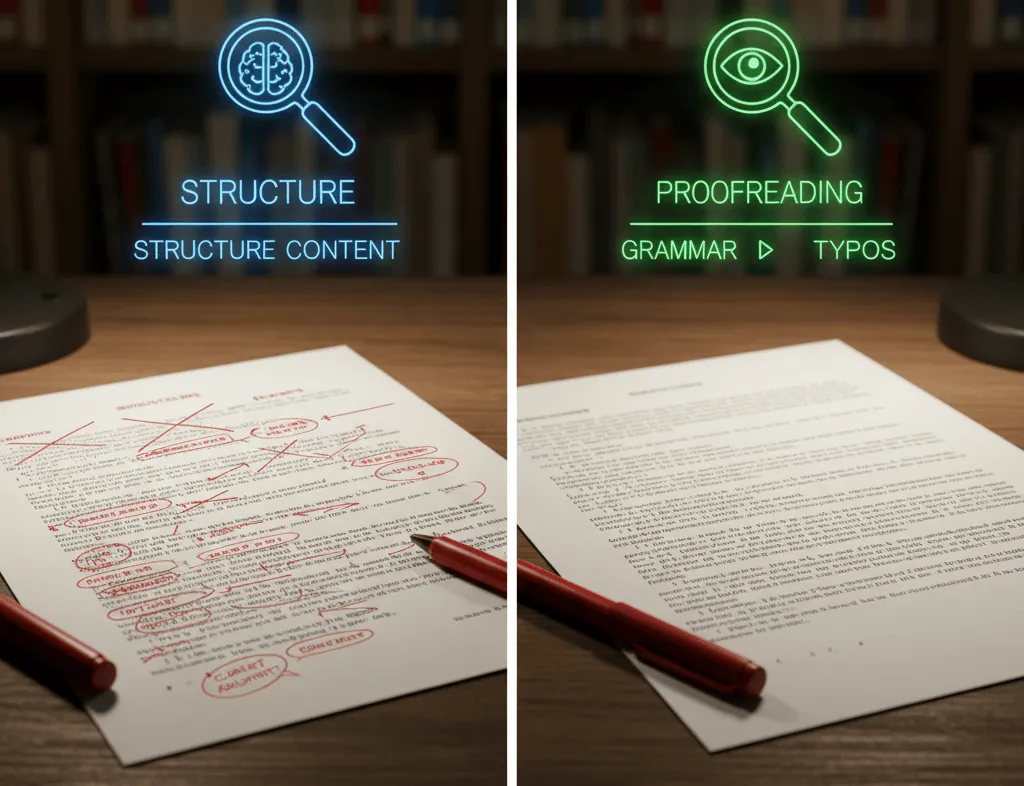
Fast Publications will help you transform your academic career through the industry leadership in optimizing manuscripts. We offer Scopus Indexed Journal Support services to researchers to get them through the high insurances of international publishing. Our group eliminates the speculation of the delivery procedure, providing technical prechecks and language refinements that comply with the standards of the finest editors. Decide to make your research have the competitive advantage it needs by selecting Fast Publications.
The Hidden Mechanics:The Scientific Journal Peer Review Process
The gold standard of academic integrity is the peer-review process. It makes sure that all the articles published are of high quality and validity as well as originality. Nevertheless, to most researchers, the process is a black box. It is vital to have a clue of the journey to submission to publication in case one is seeking Scopus Indexed Journal Support.
The First Gatekeeping: Editorial Scanning
The trip starts as soon as you press the “Submit” button. The Editor-in-Chief of the journal or a Managing Editor will first screen all your work before it is seen by any outside experts. They verify two principal aspects, Scope and Technical Compliance.
In case your manuscript is not suitable to the objectives of the journal, or your formatting is messy, you are rejected by the desk. This is what Fast Publications offers to immense value. We will make sure that your paper fits the exact standards of the journal and are not rejected at once.
The Selection of Experts
When the editor is satisfied with the manuscript, they requests the opinion of independent professionals, the so-called peers. These are the people who generally have a PhD and have a good publication track record in your niche. The review process is based on one of a variety of models depending on the journal:
- Single-Blind: The judges are aware of your identity, but you are not of theirs.
- Double- Blind: The author and the reviewer are strangers to each other. The goal of this model is to decrease bias.
- Open Review: The identity of everyone is not a secret, which contributes to openness.
What Reviewers Are Actually Looking at?
The task of reviewers is the champion of scientific truth. They open your manuscript with a certain system of criteria:
- Originality: Does this work contribute anything new to the field?
- Methodology: Does the experiment design sound? Is it possible to repeat these findings by another researcher?
- Ethics: Have the authors adhered to ethical standards regarding either human subjects or animal subjects?
- Clarity: Does the argument make sense? Is the English language professional and understandable?
When you use our Scopus Indexed Journal Support we do a mock review of the following points. This will enable you to rectify the weak areas even after they are not noticed by the official reviewers.
The Decision: Four possible solutions
The editor finalizes his decision after the reviewers have written their reports. An immediate acceptance without changes is very rare. Rather you will probably get one of the following:
- Minor Revisions: Small changes that you have to make which may include clarifying a sentence or providing a reference.
- Significant Revisions: These reviewers were able to find major flaws. More experiments might be required or whole passages may have to be rewritten.
- Reject and Resubmit: The article holds potential and needs complete revamping before the journal will give it a second chance.
- Rejection: The journal is not up to the standards of the work.
The Art of Revising with Confidence

When you get a notice of Major Revision it can be depressing, but that is a good indication. It is a sign that the editor values your work. In order to negotiate your way through this phase, you will have to compose a Response to Reviewers document.
You have to deal with all the comments from the reviewers in this document. Speak in a pleasant, professional manner. In case you do not agree with a reviewer, explain it in a clear and evidence-based way. Our Scopus Indexed Journal Support will help us in writing such responses so that you will not be violating the concerns of the reviewers and at the same time your research will not suffer.
The Last Process: Acceptance and Production
When your revisions are satisfactory to the editor, they issues you a formal acceptance. Your writing is then transferred to the production department. Here, typesetters prepare your paper to get published, and you will get what are referred to as galley proofs to correct in case of any typographical errors. Following this, a DOI (Digital Object Identifier) is assigned to your work and it is permanently placed in the scientific record.
Why Quality Support Matters
The peer-review process is meant to be difficult. Nevertheless, lots of wonderful papers do not achieve success just due to poor presentation or misunderstanding of the reviews. To minimize this gap Fast Publications provides full Scopus Indexed Journal Support. We assist you in decoding the remarks left by reviewers and we also polish your work to the utmost world standard.
Due to the knowledge of peer review mechanics, it is possible to think strategically about your submission. It is important to keep in mind that all these corrections a reviewer makes are the opportunity to make your research more powerful and effective.