To authors, publishing is not just a career achievement, it’s a means of disseminating knowledge. Driving the discipline, and acquiring credibility by receiving citations. Citation frequency frequently predicts your academic stature, funding prospects, and professional progress. In the current publishing scenario, open access (OA) has become a strong model that has a direct association with greater visibility and citation rates.
At Fast Publications, we don’t offer Research Article Writing Services only. We assist in writing, refining, and strategically publishing papers that cut through the noise of the academic world. In this blog, we discuss how open access publishing increases citations and why it should be on your list of long-term publication plans.
What Is Open Access Publishing?
Open access publishing puts scholarly articles on the internet for anyone to view for free eliminating paywalls and subscription walls. In contrast to subscription-based models, where only institutions or people with access can view research, open access makes your work accessible globally.
Models of open access are:
Gold Open Access: Immediate free access at publication, usually with an APC, Article Processing Charge.
Green Open Access: In Freen Open Access authors self-archive a copy of their article in institutional or disciplinary repositories.
Hybrid Open Access: Usually subscription journals allow authors to make individual articles open access on a fee basis.
Each model increases visibility, but the gold route is the most usual for optimising citation.
Why Citations Matter for Researchers?

Citations are not just numbers, but a measure of the recognition and inclusion of your work within the broader academic discourse. Advantages include:
Higher Academic Standing: Well-cited research shows impact.
Funding Prospects: Numerous grants favor scholars with solid citation histories.
Collaboration Requests: Visibility results in networking with colleagues globally.
Professional Development: Hiring and promotion boards frequently use citation metrics to make judgments.
Open access offers a direct route to more citations by making readership many times larger than for traditional journal subscribers.
How Open Access Increases Citations?
1. Global Visibility and Accessibility
Your articles are open to readers across the globe, independent of institutional subscriptions. That’s students, policymakers, and lone researchers working with your research. Research repeatedly demonstrates OA articles are downloaded and cited substantially more than paywalled ones.
2. More Rapid and Broader Sharing
Open Access articles will be more frequently shared on academic networks, social media, and research sites such as ResearchGate or Academia.edu. Greater spread naturally raises the prospect of your publication being read and referenced.
3. Indexing in Databases and Indexes
More often, majority of open access journals are indexed in Scopus, Web of Science, PubMed, and Google Scholar. Greater findability raises both immediate downloads and long-term citation profile.
4. Relevance Beyond Academia
Open access eliminates obstacles for practitioners, industry experts, and policymakers. When research leads to real-world uses, citations tend to rise on scholarly and non-scholarly sites.
5. Permanent Availability
Whereas subscription-based materials could become limited over time, OA articles are stored forever, guaranteeing a steady stream of readership and citations years later.
Common Misconceptions About Open Access

Even with advantages, some researchers are reluctant due to misconceptions:
1.Open access means low quality
Not true. Most top OA journals have the same or even stronger peer review requirements as subscription journals.
2. APCs are too costly
Although some OA journals require APCs, others provide waivers, reductions, or institutional support for funding. Green OA also provides cost-neutral self-archiving.
3. Open Access journals are illegitimate
Low-quality publishing happens, but judicious choice of Scopus or Web of Science-indexed journals eliminates this risk.
Practical Steps to Maximise Citations Through Open Access
Choosing the right journal: Select journals that are listed in Scopus or Web of Science for maximum recognition.
Use Strategic Keywords: Include top-ranked keywords in your research so your paper can show up in more search results.
Share After Publication: Post links on academic networks, LinkedIn, and conferences.
Deposit in Repositories: Store your paper in institutional or subject-based repositories for added visibility.
Work with Professionals: Companies such as Fast Publications’ Research Article Writing Services guarantee manuscripts are of both academic and indexing quality.
The Open Access Advantage
A public health researcher published two comparable papers, one in a paywalled journal and one in an OA journal. Within two years, the OA paper had three times as many citations and was being cited not only by academic publications but by government health policy reports. This illustrates how OA can stretch impact beyond the academic community.
How Fast Publications Supports Your Open Access Journey?
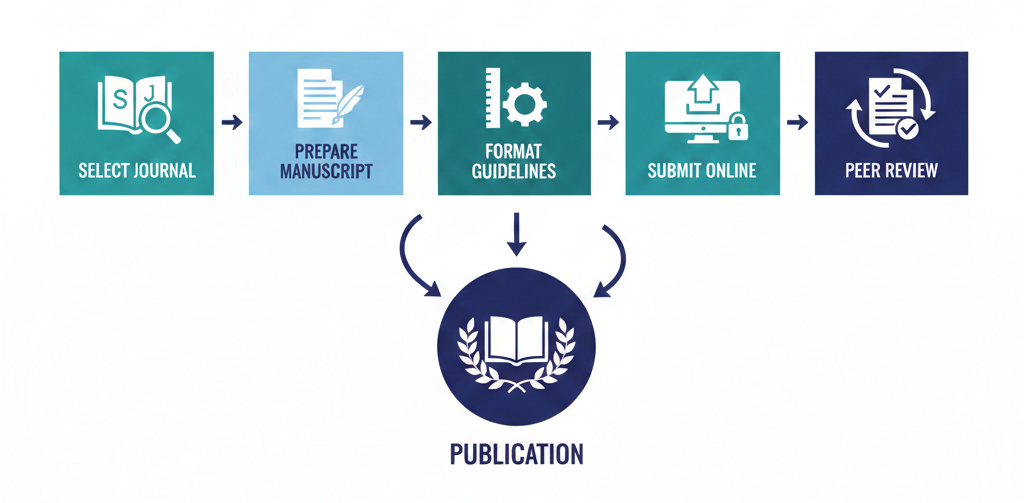
To publish open access success in journals means more than the payment of APCs, it means high-quality optimized manuscripts that are highly visible. Here at Fast Publications, we offer:
- Research Article Writing Services: From argument structure to technical accuracy.
- Journal Selection Guidance: Finding quality OA journals listed in Scopus and Web of Science.
- Formatting and Compliance: Journal regulations and index guidelines compliance.
- Post-Publication Promotion: Techniques to increase downloads and citations.
Having Fast Publications by their side, researchers can publish and optimise their work’s citation potential.
FAQs
1. Does open access always lead to more citations?
No model promises citations, but research consistently indicates OA articles achieve greater citation rates than paywalled pieces.
2. Are all open access journals listed in Scopus or Web of Science?
No, not all. Always check for indexing status prior to submission to prevent low quality journals.
3. Do APCs influence acceptance prospects?
APCs pay for publication but do not affect peer review results. Quality is still the determining factor.
4. How can I pay for Open Access if I do not have funding?
Seek journals with waivers, institutional funding, or green OA repositories.
5. In what way do Research Article Writing Services assist?
They clarify language, enhance structure, and align manuscripts to journal standards, leading to higher likelihoods of acceptance and citation increase.
Conclusion
Open access publishing has revolutionised academic landscape making research openly accessible to everyone. The greatest benefit for authors is obvious: increased visibility translates to increased citations. Building your reputation as an academic, applying for grants, finding collaborators Open Access makes your work available to the largest audience possible.
At Fast Publications, we pair professional Research Article Writing Services with journal selection and formatting assistance to ensure your success in today’s open access world. Your research ought to be read, cited, and noticed, and open access facilitates that.